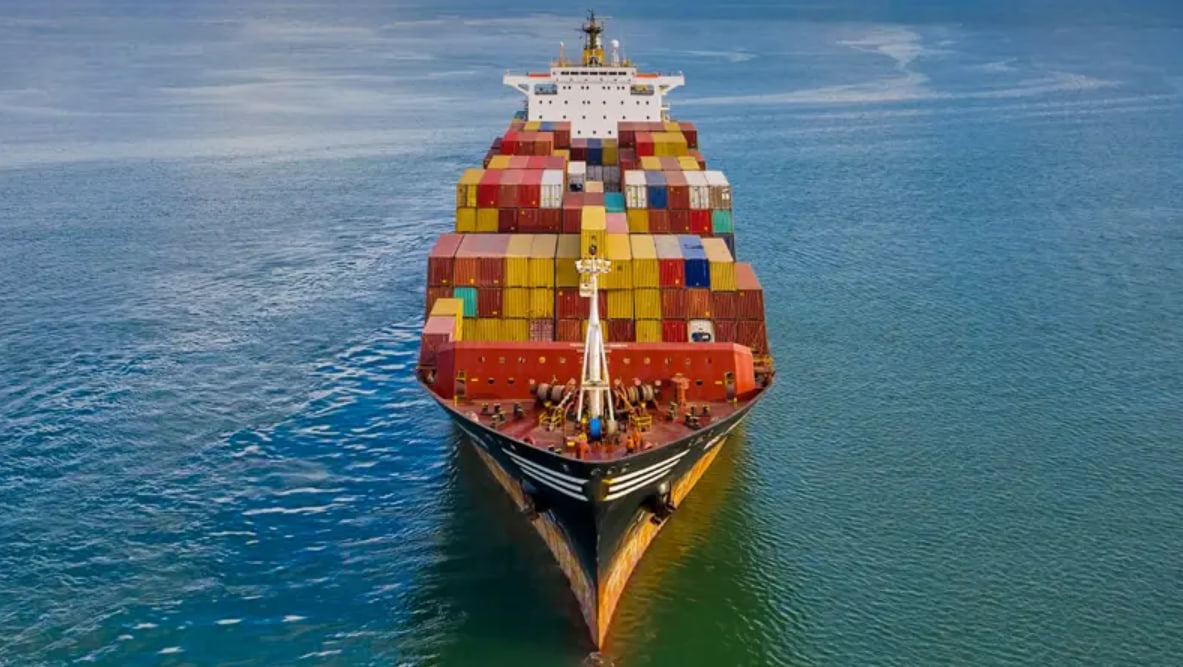
The global containership fleet has surpassed 34 million TEU, marking the fastest 10 million-TEU expansion in the sector’s history, according to BIMCO.
Fleet capacity reached the milestone in early September as newbuild deliveries continued at a high rate. BIMCO calculates that the fleet has added 10 million TEU in just five and a half years, representing a 42% increase. By comparison, the industry took 10 and a half years to grow from 14 million to 24 million TEU.
The expansion has been driven by record containership deliveries combined with exceptionally low recycling activity. Fewer than 300,000 TEU of capacity has been recycled over the past five and a half years. As a result, nearly 2,000 vessels with more than 5 million TEU of combined capacity are now at least 20 years old.
The ageing fleet provides significant recycling potential over the next five years, but it is unlikely to offset the volume of new tonnage already on order. The containership orderbook contains more than 14 million TEU scheduled for delivery by the end of 2030. BIMCO estimates that the global fleet could reach around 44 million TEU within five years, depending on recycling levels.
Fleet growth is also changing the size profile of the container sector. Ships above 12,000 TEU account for roughly two-thirds of the capacity added since early 2021. Their share of total fleet capacity has increased from 30% to 40%, while average containership size has risen by 14%.
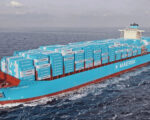
The upper end of the market has expanded particularly quickly. Ships exceeding 20,000 TEU are now considered ultra-large, while the largest containerships have reached slightly above 24,000 TEU.
Liner operators have been responsible for 85% of the capacity added over the past five and a half years. Their share of global fleet capacity has consequently increased from 57% to 65%.
Future fleet growth will also depend on trading patterns. A return to normal Suez Canal routes could release capacity currently absorbed by longer voyages around the Cape of Good Hope, potentially adding further pressure to vessel supply.