Maritime automation and artificial intelligence are routinely promoted as solutions to reduce repetitive tasks and eliminate human error. The prevailing assumption among shipowners and software developers seems straightforward: as algorithms shoulder more calculations, telemetry tracking, and operational oversight, watchkeeping on the bridge and in the engine room should become less demanding.
However, global industry research – most notably the World Maritime University (WMU) and ITF study “Transport 2040: impact of technology on seafarers: the future of work”, alongside industry analyses on crew welfare – reveals a more complicated picture. Research has identified technology-related workload, fatigue, stress and anxiety among the challenges facing seafarers working with increasingly complex digital systems.
Why has reduced manual labour not necessarily translated into lower overall workload, and how is the rise of “technostress” transforming everyday life at sea?
The automation paradox: from active navigation to continuous vigilance
The Transport 2040 report details a fundamental shift in the nature of bridge watchkeeping. Automation does not eliminate workload; it transforms it, shifting the mariner’s role from direct vessel handling to passive, high-stakes system monitoring.
Cognitive science identifies this phenomenon as vigilance fatigue during passive observation.
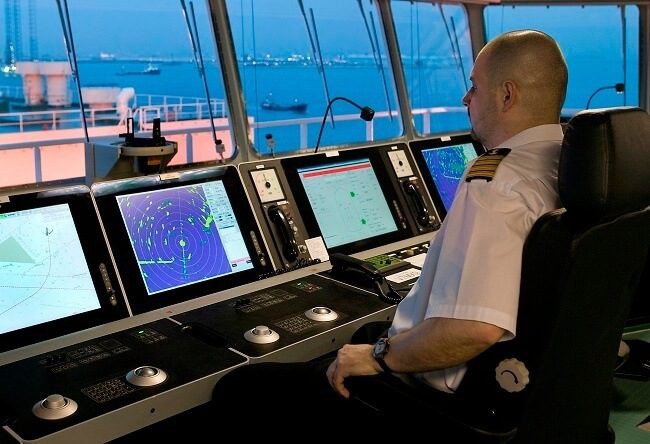
When a navigational officer plotted courses manually, kept a visual lookout, and referenced analogue instruments, the brain actively processed and cross-checked environmental inputs. Shifting focus between radar screens and the open horizon sustained natural alertness.
On an Integrated Bridge System (IBS), an officer spends hours monitoring multiple interconnected digital interfaces: ECDIS, ARPA, conning displays, fuel-optimisation algorithms, and collision-avoidance predictive tools. Passively absorbing steady streams of telemetry with little physical intervention can contribute to sensory fatigue and reduced alertness.
On an Integrated Bridge System (IBS), an officer spends hours monitoring multiple interconnected digital interfaces: ECDIS, ARPA, conning displays, fuel-optimisation algorithms, and collision-avoidance predictive tools. Passively absorbing steady streams of telemetry with little physical intervention can contribute to sensory fatigue and reduced alertness.
Machine learning tools and algorithmic advisors can generate actionable solutions – optimal rudder angles, speed adjustments, or weather-routing diversions. Yet responsibility for safe navigation remains with qualified human personnel. Under COLREGs, Rule 2 addresses the responsibility of the master, owner and crew, while Rule 5 requires every vessel to maintain a proper lookout by sight, hearing and all appropriate available means. Continuously supervising an artificial intelligence “black box” while knowing that accountability cannot simply be delegated places the crew under sustained pressure.
Anatomy of technostress: five pressures shaping life aboard
Originally identified in land-based corporate settings, technostress manifests with particular challenges within the confines of an operational merchant ship. Seafarers routinely navigate five core dimensions of this challenge:
1. Techno-overload
Modern watchkeepers frequently balance multiple software platforms at once. Data arrives fragmented across pop-up dialogues, diagnostic logs, and dynamic overlays. Mental energy is continuously consumed by filtering secondary data to locate safety-critical figures.
The Transport 2040 case study found that some crew members dealt with six to eight different systems during their daily work, highlighting how multiple technologies can add to the cognitive burden rather than simply reducing workload.
2. Alarm fatigue
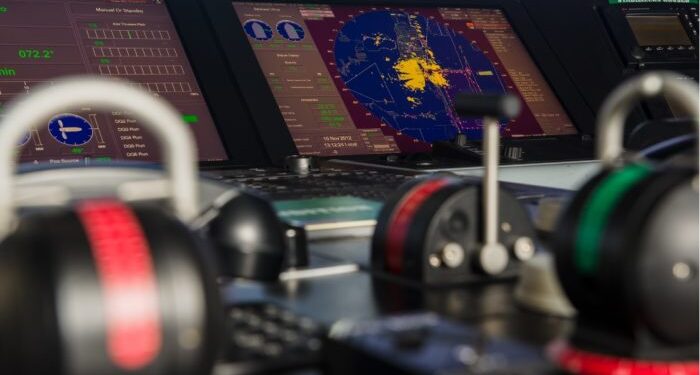
Proliferating sensors and complex monitoring systems can increase the volume of false, low-priority, or nuisance alarms. Multiple audible and visual warnings during a watch can make it harder to distinguish a genuine emergency from routine notifications.
The brain can gradually become less responsive to repeated non-critical alerts, raising the risk that an important warning may not receive the attention it requires.
3. Techno-invasion and eroded rest
A vessel serves simultaneously as a workplace and a home. High-speed satellite connectivity and round-the-clock remote monitoring have blurred the line between duty hours and off-watch rest. Fleet Operations Centres onshore can receive live telemetry and deliver operational queries at any hour.
The awareness that shore-based management can remain connected to the ship’s digital environment can make it harder for crews to achieve true psychological decompression.
4. Techno-uncertainty
Software updates, firmware patches, and interface redesigns for ECDIS or ballast water treatment systems can require seafarers to adapt to unfamiliar systems. Mariners may find themselves operating systems that behave differently from the versions used during shore-based simulation training.
This uncertainty can fuel anxiety over unintended menu inputs, software glitches, or difficulties when working with unfamiliar systems.
5. Techno-insecurity
While Transport 2040 does not suggest that human crews will simply disappear from shipping, technological change is altering the skills required on board. A lack of structured training on emerging systems can leave experienced mariners feeling that their core seamanship skills are being devalued, creating quiet apprehension about long-term career viability.
Physical and health effects
The effects of prolonged digital and cognitive strain are not limited to mental fatigue. Long hours spent monitoring screens, combined with disrupted rest and static working positions, can also affect seafarers’ physical wellbeing.

Sleep is particularly vulnerable. Night-time alarms, unexpected operational messages and the need to remain alert while supervising automated systems can make it harder to achieve uninterrupted, restorative rest. Over time, accumulated fatigue can affect concentration and increase the risk of errors during watchkeeping.
Extended screen exposure may also contribute to eye strain, headaches and difficulty adjusting between digital displays and the outside environment, particularly during night-time operations. Meanwhile, prolonged periods at navigation consoles or engine-room workstations can contribute to neck, shoulder and lower-back discomfort.
These effects are not necessarily caused by technology itself. They are more often linked to how digital systems are integrated into working routines — including the amount of screen time, the design of workstations, alarm management and whether crews are given enough uninterrupted time to rest.
Industry next steps: moving toward human-centred design
Both Transport 2040 researchers and maritime safety advocates emphasise that the issue does not lie in technology itself, but in how it is integrated into working environments. Too often, maritime systems have been deployed under a cost-optimisation mandate that treats human factors and ergonomics as secondary concerns.
Mitigating fatigue and burnout requires systemic industry action:
- Interface standardisation. Much like commercial aviation, bridge and engine-room systems benefit from uniform display conventions. An officer transitioning between vessels should not have to expend cognitive energy deciphering an unfamiliar manufacturer’s proprietary UI logic.
- Robust alarm management. Stricter filtering protocols are vital. Audible alerts should be prioritised according to their operational significance, while diagnostic statuses and low-priority notices should not unnecessarily divert watchkeeper focus.
- Meaningful training over computer-based testing. The industry needs to move beyond superficial multiple-choice CBT modules toward hands-on simulator training focused on system anomalies, software fault management, and navigating high-density data environments.
- Enforcing a practical “right to disconnect.” Explicit operational boundaries for shoreside management are necessary to restrict non-emergency communications during designated rest hours, preserving crew recovery time in line with the rest requirements established by MLC 2006.
A seafarer-centred approach to digitalisation
The International Seafarers’ Welfare and Assistance Network (ISWAN) also emphasises a seafarer-centred approach to technological change:
- Incorporate technology onboarding into the company SMS. System-specific, role-appropriate training must not be treated as a casual familiarisation walkthrough. It should be a formal requirement before an officer assumes a watch on an unfamiliar system.
- Crew feedback in procurement. Actively consult seafarers during the evaluation and procurement of new bridge and engine-room software. As end-users, their operational insight can reveal interface blind spots, cumbersome menus, and practical inefficiencies that shoreside IT and procurement teams may overlook.
- Confidential mental health support. Ensure access to independent, shore-based counselling and support services, and establish a clear “just culture” policy where mariners can report digital anxiety or operational confusion with new systems without facing professional penalties or reputational risk.
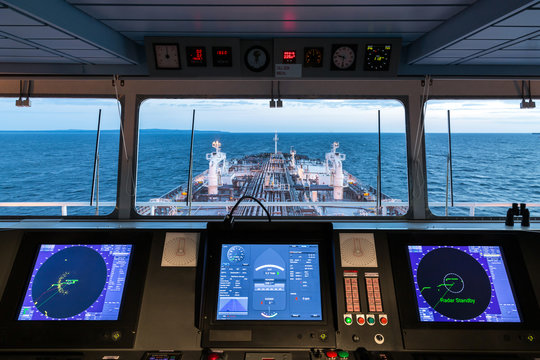
Technological adoption across global fleets is non-negotiable. Yet safe, efficient passage still relies on clear-headed human judgment. When digital tools drain the cognitive reserve of the crew, automation can stop serving as a safeguard and become an unmanaged operational hazard.