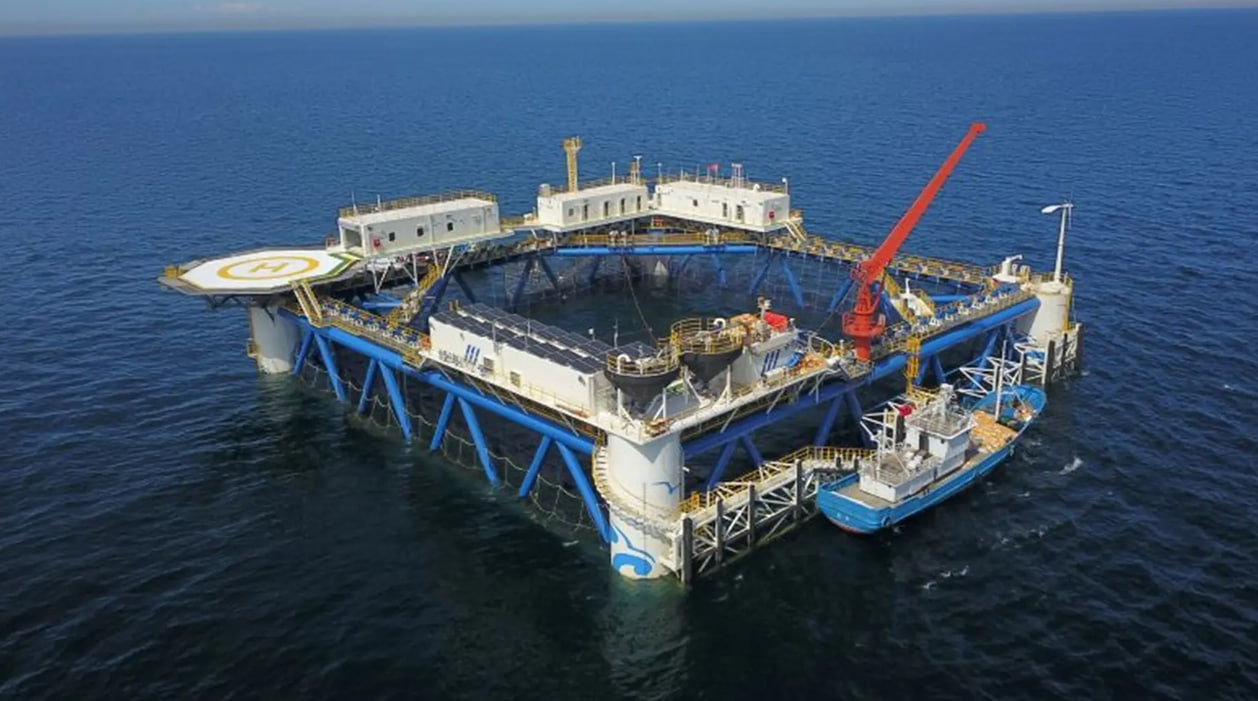
China has deployed Jilin-2, a 100-kW floating solar platform designed to test bamboo-based materials in offshore conditions. The platform was completed in July and installed at an offshore solar demonstration base in Yantai in August.
Jilin-2 uses bamboo-wound tubes and a wood-bamboo composite known as “Sea Bamboo Pipe” for its structural and buoyancy components. The material was developed by Beijing Forestry University and treated for use in harsh marine environments.
Engineers will monitor the platform over an extended period to assess its resistance to seawater, salt spray, humidity, UV radiation and fatigue from continuous marine loads.
The electricity generated by the solar array will power a pilot facility producing green hydrogen, ammonia and methanol. The project is therefore intended to test both the offshore structure and its integration with other renewable-energy systems.
The developers aim to use the test results to assess whether bamboo composites could be scaled up for megawatt-level offshore solar projects. Potential applications could also include offshore power facilities, integrated energy hubs and marine ranches.
The project is part of China’s wider push to expand the use of bamboo-based materials and reduce reliance on synthetic plastics. Bamboo offers a high strength-to-weight ratio and rapid growth, making it a potential alternative to conventional materials in some marine structures.
If the composite proves durable in long-term service, it could open the way for bamboo-based components in larger floating offshore structures.