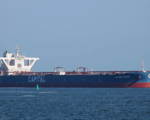
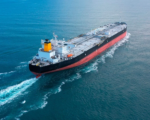
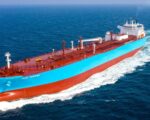
Global orders for new crude tankers have reached a record 60 million DWT in the first half of 2026, according to BIMCO. It is already the strongest year for crude tanker contracting on record.
Shipowners have ordered 234 vessels so far this year. Demand has been led by Very Large Crude Carriers (VLCCs). Owners have ordered 151 VLCCs, more than twice the total contracted during all of 2025.
VLCCs account for 79% of all crude tanker capacity ordered this year. Most of the remaining orders are for suezmax tankers. That segment has already matched its total ordering volume for 2025.
BIMCO says strong earnings in the tanker market and the need to replace older ships are driving demand. The average age of the global crude tanker fleet has been rising since 2011 as fewer new ships entered service and scrapping remained limited.
Today, the average crude tanker is about 14 years old. Around 22% of the fleet, or about 105 million DWT, is already more than 20 years old, which is considered the typical design life of a tanker.
Despite the industry’s decarbonisation efforts, only 2% of the crude tanker capacity ordered this year will use alternative fuels, mainly LNG. Another 17% of the newbuildings are being designed for future conversion to alternative fuel propulsion.
By comparison, 9% of vessels in the current global crude tanker orderbook will be delivered with alternative-fuel engines. Another 30% are being built with the option to retrofit alternative-fuel propulsion later.
Chinese shipyards remain the market leaders. They have secured 82% of all crude tanker capacity ordered in 2026. Across the current orderbook, Chinese yards account for 70% of contracted capacity, while South Korean builders hold about 25%, mainly in the suezmax segment.
BIMCO expects ordering activity to slow later this year as available shipyard slots become harder to secure. Most tankers ordered today will be delivered within the next two to four years. The organisation also says uncertainty over future trading conditions in the Strait of Hormuz continues to affect investment decisions in the crude tanker market.