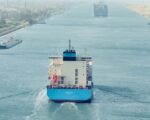
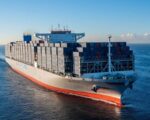
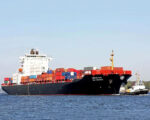
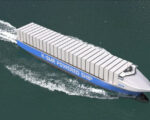
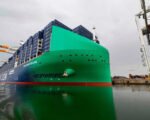
Seaspan and Maersk are investing further in fleet modernisation with a vessel efficiency programme covering 18 containerships operating under long-term charter, as the companies pursue lower fuel consumption, improved cargo capacity and greater compliance with tightening environmental requirements.
The largest share of the investment will focus on four 13,000 TEU vessels scheduled for comprehensive retrofits. The upgrade package combines propulsion improvements with cargo optimisation measures, reflecting a growing industry preference for extending the commercial life of existing tonnage instead of relying solely on newbuild deliveries.
The retrofit scope includes the installation of shaft generators to reduce auxiliary engine loads, optimisation of main engine performance, new high-efficiency propellers and pre-swirl devices designed to improve hydrodynamic efficiency. The vessels will also be prepared for future carbon capture systems, allowing additional emissions-reduction technologies to be installed as regulations evolve.
Cargo capacity will be increased through modifications to lashing bridges, while higher deadweight will provide greater loading flexibility. According to the companies, the combined improvements are expected to reduce slot costs by approximately 10–13%, while delivering measurable gains in fuel efficiency and operational performance.
Seaspan said completed and planned investments across the 18-vessel programme total about $75 million, with additional efficiency projects still under evaluation. The initiative forms part of the company’s broader strategy to improve the performance of its charter fleet through technical upgrades rather than vessel replacement.
Alongside the retrofit programme, WattSpan – Seaspan’s maritime technology and engineering joint venture – has signed a one-year, non-binding memorandum of cooperation with Maersk and COSCO Shipyard. The partners plan to collaborate on vessel modification projects, energy-efficiency solutions and decarbonisation technologies, highlighting the increasing role of shipowners, operators and shipyards in jointly developing practical pathways to lower-emission shipping.