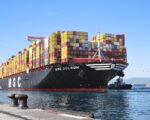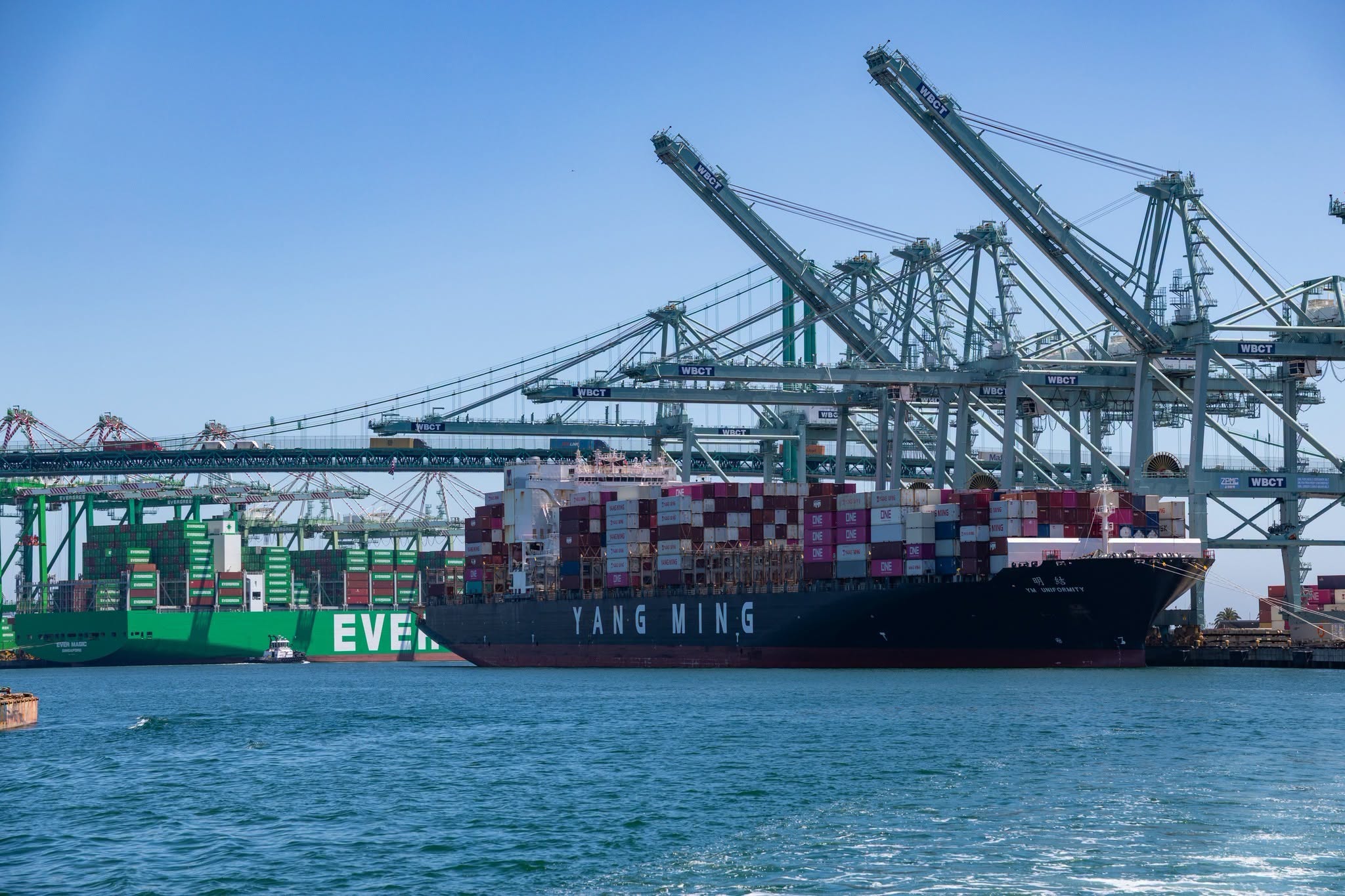
Global container port congestion has reached a new high, with more than 4.3m TEU of vessel capacity waiting to berth worldwide, according to Linerlytica data cited by Splash 247. The backlog is now above the previous peak of 4m TEU seen during the Covid-19 pandemic.
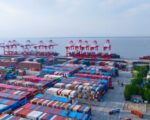
East Asia is driving much of the current disruption. A series of tropical storms has affected Chinese ports and vessel schedules. Shanghai has 139 vessels waiting to berth, while Ningbo has another 77. At Shanghai’s Yangshan terminals, some ships are facing waits of up to seven or eight days.
Despite the record in absolute numbers, congestion affects a smaller share of the fleet than during the pandemic. The 4.3m TEU currently stuck in ports represents 12.6% of the global containership fleet, compared with 15.7% at the 2022 peak.
Sea-Intelligence estimates that delays are removing around 1.7m TEU of effective capacity from the market. Schedule reliability remains at only 60–65%, while late vessels are arriving about five to five-and-a-half days behind schedule.
The capacity squeeze is also supporting higher freight rates. Linerlytica says the Shanghai Containerized Freight Index has risen 156% since the start of the Iran conflict and reached about 3,355 points last week.
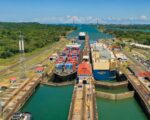
Further pressure may come from the Panama Canal, where available transit slots will be reduced in September because of low rainfall and water-saving measures.
For carriers, shippers and cargo owners, the message is clear: more vessels are tied up in congestion, schedules remain unreliable, and effective container capacity is under growing pressure.