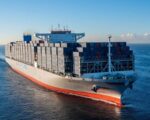
Mediterranean Shipping Company (MSC) has further extended its position as the world’s largest container carrier, with its operated fleet capacity now exceeding 7.2 million TEU, according to the latest fleet data.
The milestone reflects continued large-scale fleet expansion through a combination of newbuilding deliveries and second-hand vessel acquisitions. MSC has pursued an aggressive growth strategy in recent years, adding hundreds of ships to its fleet since 2020 and significantly widening the gap with its closest competitors.
Industry data show MSC now operates more than 800 container vessels, including owned and chartered ships. The company’s orderbook remains substantial, with dozens of ultra-large container vessels and LNG-dual-fuel ships under construction at Asian shipyards.
The expansion comes as global liner shipping capacity continues to grow despite volatile freight markets and geopolitical disruptions. MSC’s scale provides operational flexibility across major east-west and north-south trades, as well as regional feeder services.
Analysts note that MSC’s independent strategy – following the planned wind-down of the 2M Alliance – positions the carrier to deploy its tonnage freely across networks starting in 2025 and beyond. The company has increasingly focused on building its own integrated logistics ecosystem, including terminal investments and inland services.
Fleet growth has also included significant orders for LNG-powered container ships, reflecting tightening environmental regulations and IMO decarbonization targets. The company is investing in fuel-efficient vessels to reduce emissions intensity per transported container.
MSC’s widening lead underscores ongoing consolidation at the top of the liner shipping sector, where the largest operators continue to command a growing share of global container capacity.