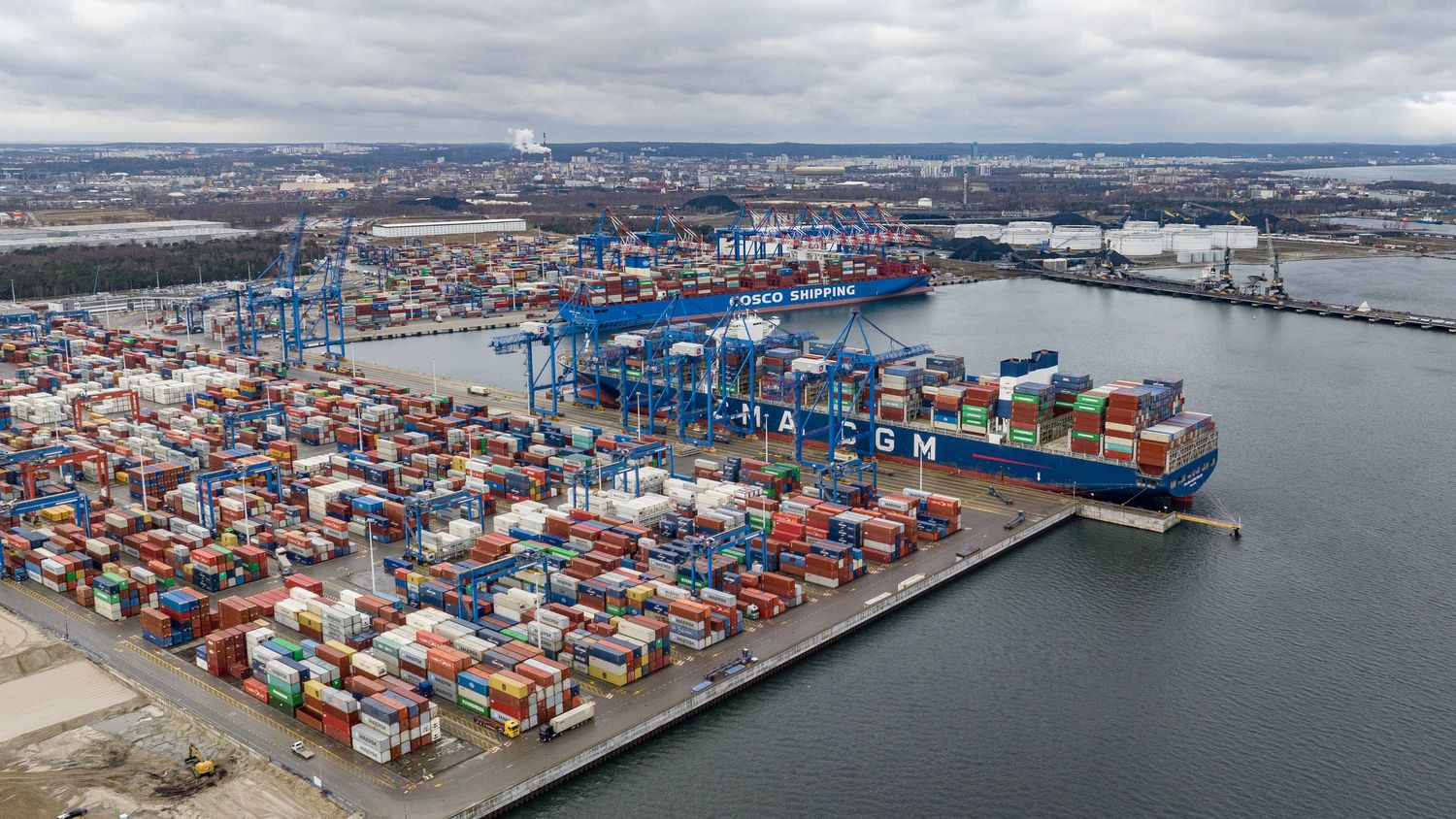
Port congestion is effectively taking around 1.7m TEU of containership capacity out of the global market, according to Sea-Intelligence analysis reported by Splash 247. Sea-Intelligence’s latest Global Liner Performance report shows that schedule reliability remained weak in June 2026, at around 60% to 65%. Before the pandemic, carriers usually achieved 70% to 80%.
The problem is not only that more ships are arriving late. Delays are also lasting longer. Before the pandemic, a late vessel was usually three to four days behind schedule. Today, the average delay is around five to five-and-a-half days.
In June, delays absorbed about 5% of the global container fleet. This equals around 1.7m TEU of capacity temporarily removed from effective supply, close to the size of Evergreen’s entire fleet.
Even compared with the 2.2% of capacity normally lost to delays during 2011–2019, the market is now losing around 1m TEU of additional capacity. This is roughly equal to HMM’s fleet.
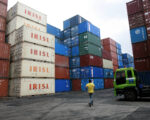
DHL estimates that more than 3.7m TEU of containers are currently piling up at ports worldwide. Strong export demand has created bottlenecks across Asia, while typhoons have also disrupted operations at key Chinese ports. North Asia is seeing the strongest impact.
The figures help explain why container shipping capacity remains tight despite the large number of new ships delivered in recent years. Carriers have more vessels, but port congestion, disrupted routes and poor schedule reliability mean that part of this capacity is not actually available to shippers.