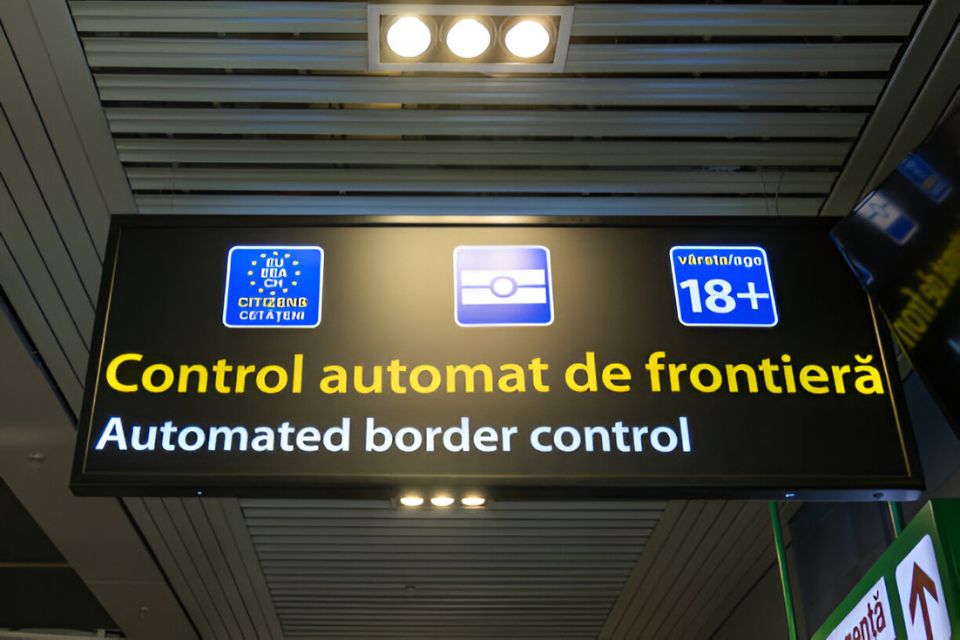
As of October 12, 2025, the European Union has officially implemented the new Entry/Exit System (EES) – a digital border control mechanism that replaces the traditional passport stamping procedure. The system automatically records the entry and exit of all non-EU citizens crossing the EU’s external borders.
During the first crossing, border officers collect travelers’ biometric data, including fingerprints and facial images. Future crossings are recorded automatically, with no need for a passport stamp.
The EES covers 29 countries, including all Schengen Area states as well as Bulgaria, Romania, and Cyprus. It applies to travelers both with and without short-term visas, except for those holding long-term visas or residence permits (with specific exceptions for Ukrainians who have been granted temporary protection in the EU).
According to the European Commission, the system is designed to better track the duration of stays, enhance border security, and prevent irregular migration.
For the first six months – until April 10, 2026 – the EES will operate in a testing phase, running in parallel with passport stamping. During this period, biometric data will be collected voluntarily. The full transition to the digital system is expected by October 2026.
The system is being implemented at the external borders of all EU countries, except Cyprus and Ireland, as well as in the four non-EU Schengen members: Iceland, Liechtenstein, Norway, and Switzerland.