Shipping in the Middle East faces a new wave of uncertainty. Recent attacks on commercial vessels, damage to Saudi oil infrastructure and Houthi gains around the Bab el-Mandeb are raising risks for both Gulf and Red Sea routes.
The latest incidents include an attack on the Panama-flagged product tanker believed to be MV El Gaia off Oman on September 13. The vessel had 14 crew members aboard, including 13 Indians. Omani authorities rescued 13 seafarers, while one Indian crew member remains missing.
A separate incident involved an unnamed Iranian containership, which was reportedly hit by a projectile near Qeshm and Hengam islands. Iranian authorities said one person died and several others were injured. Tehran blamed a “terrorist enemy”, but responsibility for the attack had not been independently established.
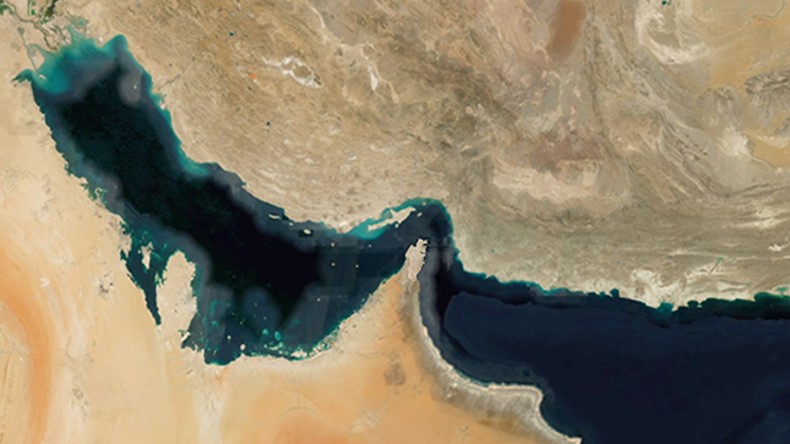
The security situation is also affecting oil movements. Saudi Arabia suspended operations on its 1,200-km East-West pipeline after a drone attack damaged a pumping station on September 11. The pipeline normally moves about 4 million barrels of crude per day to Yanbu on the Red Sea, allowing Saudi exports to bypass the Strait of Hormuz.
Sources estimate that Yanbu’s available crude stocks could support exports for only another five to seven days.
Further south, Houthi forces have strengthened their position around the Bab el-Mandeb. After taking Mokha, the group advanced onto Perim, also known as Mayun, an island controlling a key position inside the strait, and captured Dhubab on the mainland. The developments create additional uncertainty for carriers considering a return to the Red Sea. Any deterioration around Bab el-Mandeb could undermine attempts to restore services through the Suez Canal even if conditions around Hormuz improve.