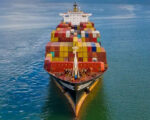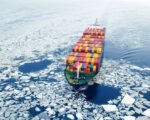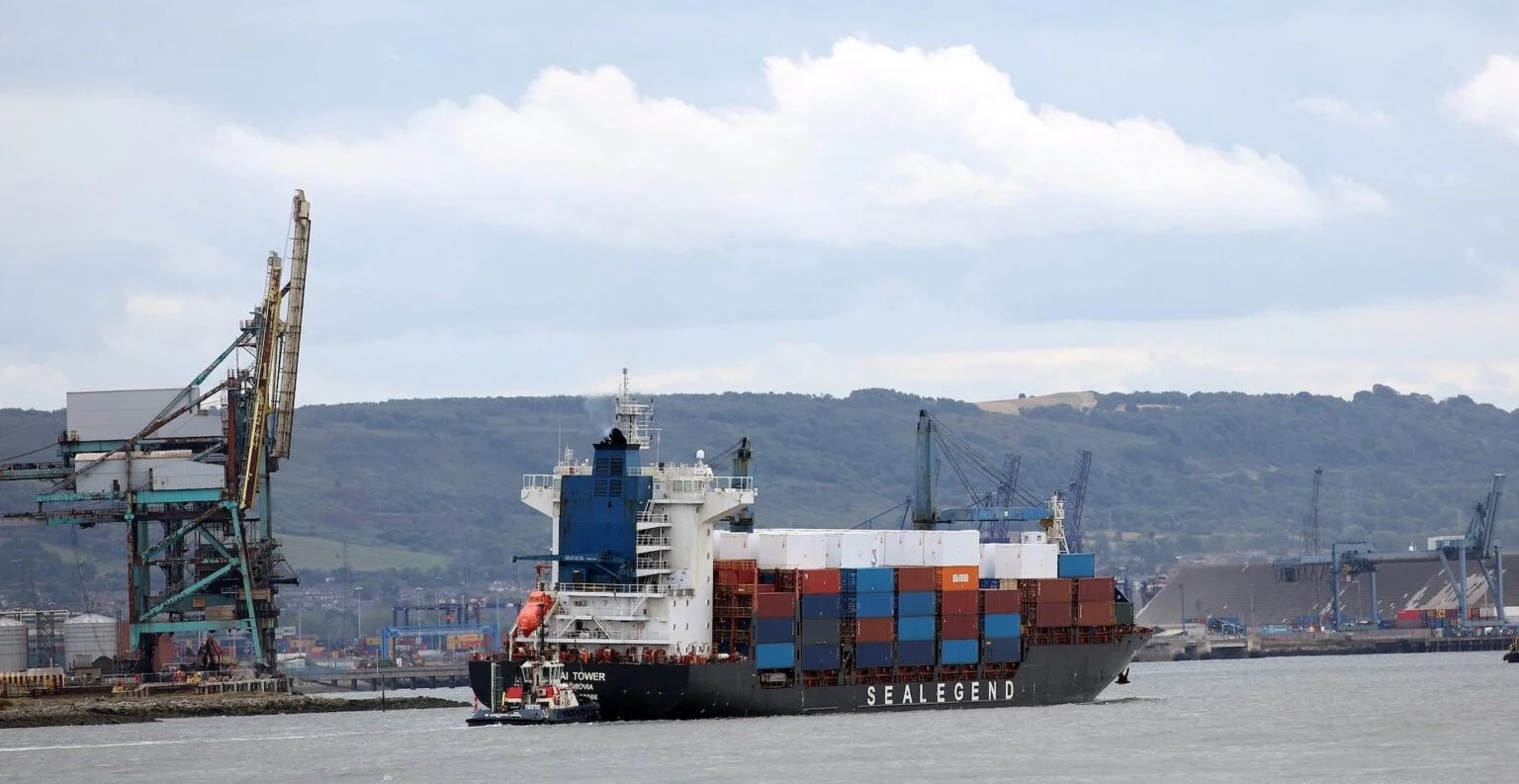
China’s first scheduled Arctic container service has reached Europe, with the container ship MV Dubai Tower arriving at Teesport in northeast England on September 9.
MV Dubai Tower left eastern China on August 15 and completed the voyage via the Northern Sea Route. The service is planned as a regular connection between China and Europe, offering a shorter alternative to routes through the Suez Canal or around the Cape of Good Hope.
The Arctic route can significantly reduce sailing time compared with traditional Asia-Europe routes. It also avoids the security risks currently affecting shipping in the Middle East amid the ongoing US-Iran war.
The voyage comes as more operators assess the commercial potential of Arctic shipping. A South Korean container ship is also making a similar passage, while companies from China and Russia are testing cargo services along the Northern Sea Route.
The route has become more accessible as Arctic sea ice melts faster, extending the period in which commercial vessels can operate. However, navigation remains challenging, with unpredictable weather and ice conditions creating operational risks.
The economic case for regular Arctic container services is also still uncertain. Operators must weigh potential time savings against seasonal restrictions, specialised vessel requirements and the costs associated with Arctic navigation.
The arrival of MV Dubai Tower in Britain marks an important test for whether the Northern Sea Route can develop from an alternative routing option into a regular Asia-Europe container trade lane.