A UK court has refused bail for the Indian captain of the tanker Smyrtos, the first shadow fleet vessel detained by British authorities. The defendant is scheduled to stand trial on 15 December 2026 over alleged maritime transportation of Russian oil.
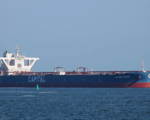
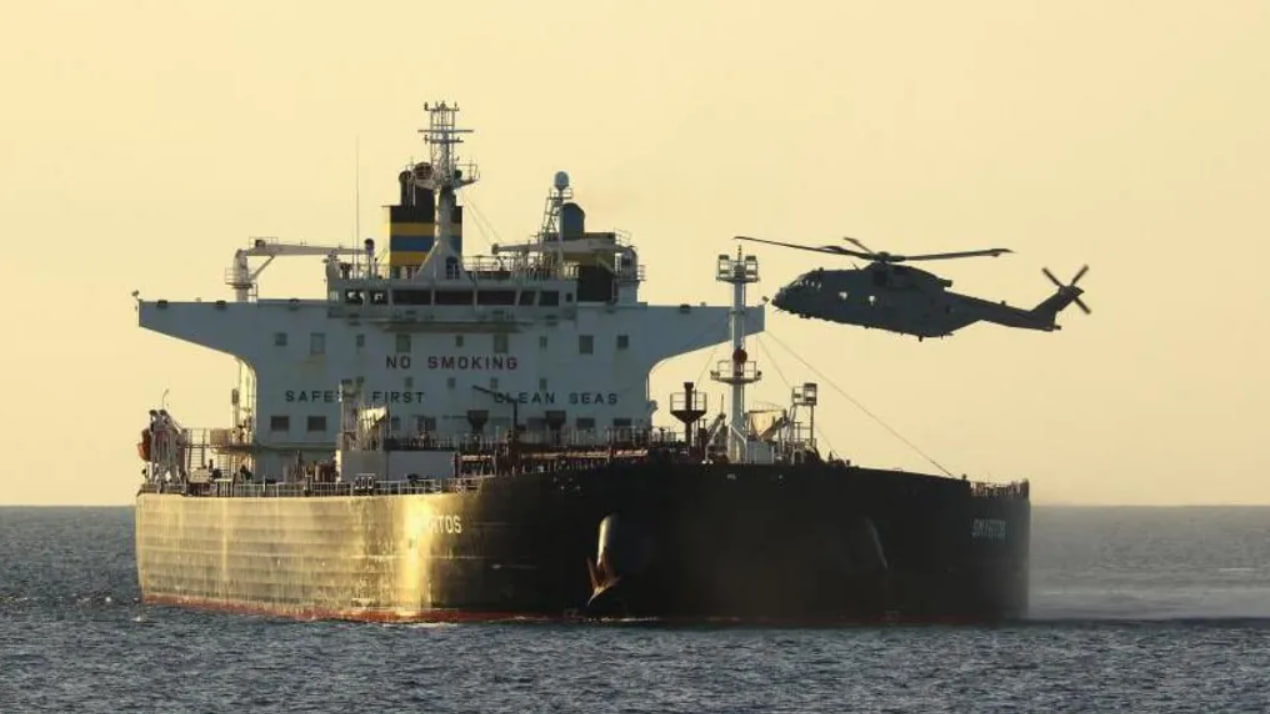
The 106,969-dwt tanker was intercepted by UK forces on 14 June in the English Channel after arriving from Russia with about 98,000 tonnes of crude oil onboard. Royal Marines and the National Crime Agency boarded the vessel after authorities identified it as operating without a valid nationality following the withdrawal of its claimed Cameroon registration.
MV Smyrtos has been operated by a Chinese-linked company since 2025. The vessel is owned and commercially managed by Hong Kong-based Zhao Yao Shipping, while India-based Vika Line Marine Services is listed as the international safety manager.
UK prosecutors allege that the captain knowingly transported Russian oil in breach of sanctions rules. The offence applies to those involved in owning, controlling, chartering or operating ships carrying prohibited oil products and carries a maximum penalty of 10 years’ imprisonment.
The defence argued that the captain was acting as an employee and followed instructions from the vessel’s owners, without involvement in commercial decisions. The court rejected the bail request, citing concerns that he could leave the UK or avoid further proceedings. A separate application to dismiss the charges will be considered on 12 November.
The remaining 24 crew members from India and Georgia remain onboard MV Smyrtos while the vessel is anchored off Weymouth. They have not been charged, but maritime labour representatives have raised concerns over the prolonged detention of seafarers awaiting the legal process.
The case has drawn attention from the shipping industry because it could affect how authorities assess the responsibility of masters operating vessels linked to sanctions evasion networks. While several European countries have detained suspected shadow fleet tankers, prosecutions of individual masters remain rare due to the difficulty of proving their knowledge and involvement.