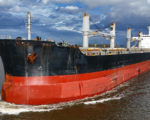
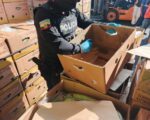
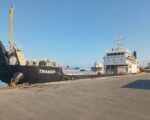
Brazilian authorities have seized approximately 341 kg of cocaine hidden aboard the Liberia-flagged bulk carrier MV Green K-Max 1 during a joint anti-smuggling operation at the Port of Santos, one of South America’s main export gateways for narcotics bound for Europe.
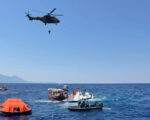
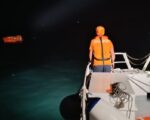
According to Brazilian authorities, crew members aboard the vessel reported suspicious activity involving a small craft operating near the bulker while it was at anchor and preparing to depart for Poland. The alert prompted an underwater inspection by Navy and police divers.
During the search, divers discovered multiple packages of cocaine concealed inside one of the vessel’s sea chests – submerged compartments located below the waterline and commonly used for seawater intake systems. Authorities described the recovery as technically complex due to the underwater location of the narcotics.
MV Green K-Max 1 is an 80,856 dwt Kamsarmax bulk carrier built in 2019, registered in Liberia and managed by Greece-based Aegean Eco Carriers. The vessel had reportedly arrived in Santos from India and was loading cargo for a voyage to Poland at the time of the seizure.
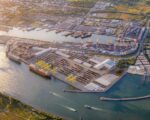
Brazilian investigators said sea chests remain one of the preferred concealment methods used by drug traffickers moving cocaine through commercial shipping networks. Santos port, the largest container and bulk export hub in Brazil, has long been identified as a major transit point for cocaine shipments destined for European markets.
Following the operation, the seized narcotics were transferred to Federal Police facilities in Santos for forensic examination. Authorities have opened an investigation to identify those responsible for placing the drugs aboard the vessel and to determine whether organized trafficking networks were involved.
The seizure comes amid intensified international efforts to disrupt maritime cocaine trafficking routes between South America and Europe. European and U.S. enforcement agencies have recently reported increased use of bulk carriers, containerships, and support craft in what investigators describe as the expanding “Atlantic Cocaine Highway.”Brazilian authorities said monitoring and inspection activities at Santos port will remain heightened as part of broader efforts to combat maritime drug smuggling operations.