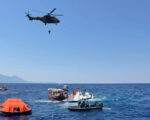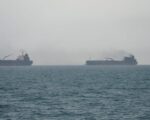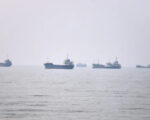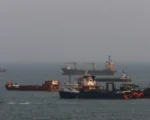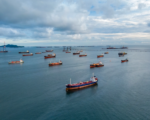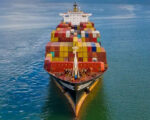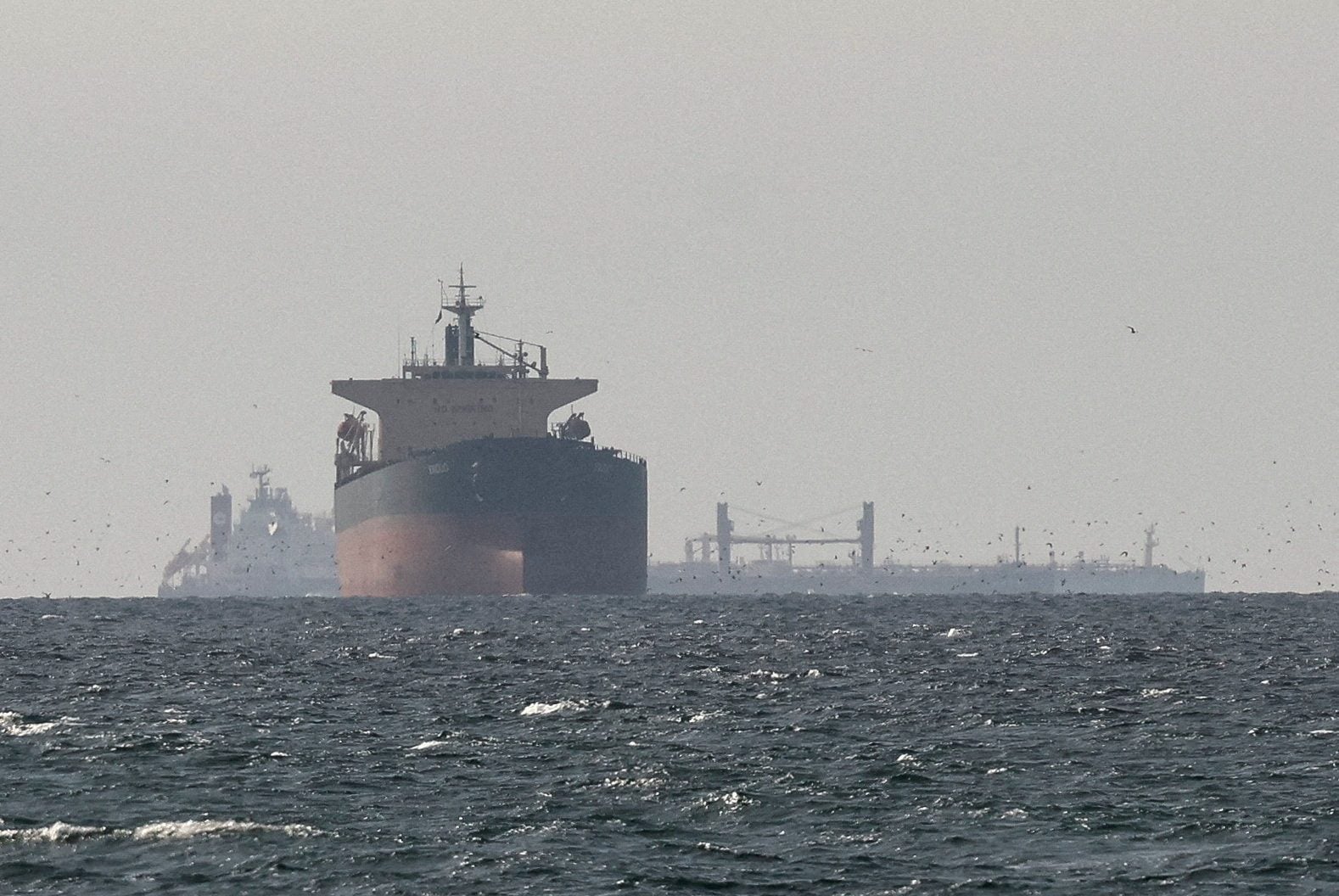
Around 20,000 seafarers remain stranded in the Persian Gulf aboard an estimated 2,000 to 3,000 vessels as tensions in the region continue to disrupt maritime operations. While a limited number of ships have been allowed to transit the Strait of Hormuz, security risks remain high, with two vessels reportedly attacked overnight earlier this week. Entire segments of the fleet, particularly container shipping, remain largely immobilized. According to BIMCO, approximately 130 container ships – about 1.5% of global capacity – are currently stranded in the region.
Following an extraordinary meeting at the International Maritime Organization, the International Chamber of Shipping and the International Transport Workers’ Federation held talks with representatives from Gulf States to coordinate urgent support measures for affected crews and vessels.
During the discussions, the organizations highlighted the increasingly difficult conditions faced by seafarers, with some ships located in areas that have come under attack. Many crews have been stuck onboard for weeks, facing challenges in accessing food, clean water, fuel, and medical care. Concerns were also raised regarding delayed crew changes and the lack of safe repatriation options.
The parties agreed on a number of practical steps, including the creation of a coordinated reporting mechanism to track immediate crew resupply needs and share this information with regional authorities. The International Maritime Organization is expected to play a key role in maintaining this system.
The organizations also stressed that seafarers should be formally recognized as key workers, allowing for prioritized crew changes and ensuring that those wishing to leave the conflict zone can do so safely and without delay. The need for rapid medical disembarkation procedures was also emphasized.
Representatives of the Gulf States confirmed that measures are being taken to support stranded crews, including the possibility of implementing exceptional arrangements similar to those used during the COVID-19 pandemic. Authorities also indicated that logistical support would be provided to vessels unable to depart the region and that crew changes would continue to be facilitated.
Ensuring the continuity of maritime trade, they noted, must be balanced with the safety, protection, and well-being of seafarers caught in the conflict zone.