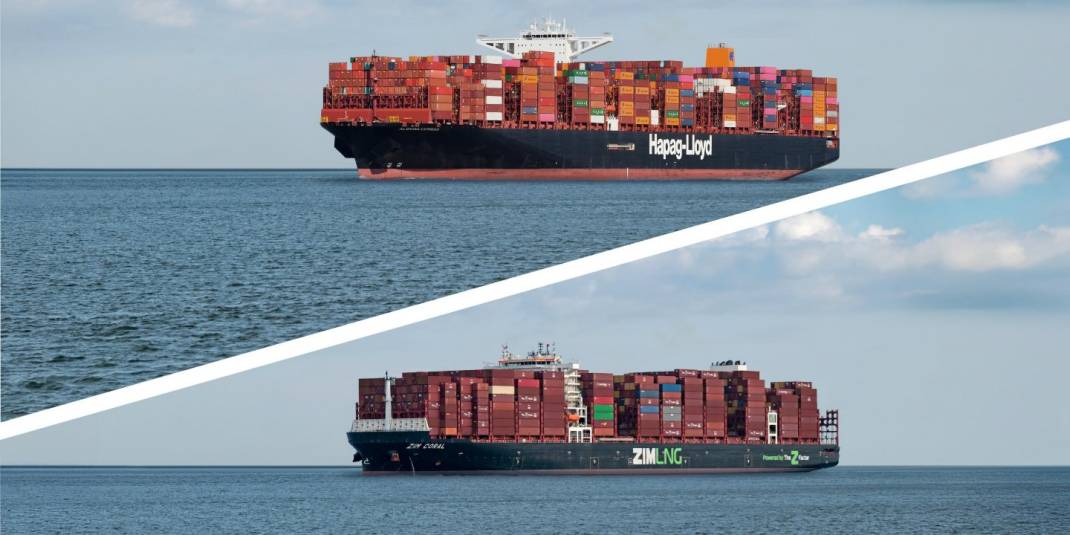
Opposition is mounting in Israel against Hapag-Lloyd’s proposed $4.2 billion takeover of ZIM Integrated Shipping Services, as labor unions escalate protests and lawmakers debate the implications in the Knesset.
Hapag-Lloyd unveiled its acquisition offer last week, outlining a plan that would carve out a smaller entity, “New ZIM,” comprising 16 vessels. This entity would operate separately under Israeli private equity firm FIMI Opportunity Funds.
Over the weekend, ZIM workers reduced port operations and barred company chairman Yair Seroussi from entering facilities in Haifa, Holon, and Ashdod. The union also announced it would cut the scope of approved exceptional activities, including the unloading of agricultural cargo, intensifying pressure on management.
Union representatives have previously warned they could “paralyse” ZIM’s operations if their concerns are not addressed. While Hapag-Lloyd has pledged that no job losses would occur for a defined period, workers remain unconvinced.
The proposed sale was debated in the Knesset, where lawmakers raised concerns over national security implications. Committee members questioned whether a downsized “New ZIM” would be capable of fulfilling the carrier’s strategic wartime logistics role.
ZIM’s workers’ committee emphasized the company’s importance since October 7, 2023, stating that the carrier has been a vital conduit for ammunition, food, and medical supplies.
Additional scrutiny followed revelations that significant stakes in Hapag-Lloyd are held by Qatar Holding and Saudi Arabia’s Public Investment Fund, prompting political debate over foreign ownership influence.
ZIM currently operates under a “golden share” agreement requiring a local presence and ownership of at least 11 Israeli-flagged vessels. Under the proposed structure, that golden share would transfer to FIMI.
Lawmakers have requested that the Israel Companies Authority assess whether the newly structured entity can meet statutory requirements and maintain national readiness. Officials are also seeking operational contingency plans, assurances on vessel flagging, and guarantees that the company could be rapidly mobilized during emergencies.
FIMI founder Ishay Davidi told lawmakers that “New ZIM would be solvent from day one and meet state requirements,” but parliamentarians and defense officials continue to demand firmer guarantees.
Hapag-Lloyd expects the transaction to close by the end of 2026. If completed, the combined entity would control more than 400 vessels, with a total capacity exceeding 3 million TEU and projected annual volumes above 18 million TEU by 2027.