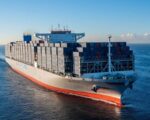
The shipping industry suffers from bad influence of the trade war. It affects the flow of goods, trade lanes and effective positioning of ships in the market. If the situation doesn’t change or becomes worse in the near future, the global growth may be disrupted.
The dry bulk shipping industry has already felt an impact from tariffs and is waiting for the new hit wave. Nevertheless, the volumes of dry bulk products have been affected not to a great extent.
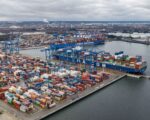
If to consider a situation on container market, the picture is almost the same. Although tariffs on containers have been implemented, the percentage of affected containerized goods is not so significant.
In March 2018, 25% tariffs on steel and 10% tariffs on aluminium were imposed by the US, whereas the EU, Mexico, Canada, Australia, Brazil, Argentina and South Korea were exempted from this obligation. However, at the beginning of summer, first three countries, from the above-mentioned partners, were deprived of this status.
Negotiations between the US and China deceived expectations of the latter party and 25% tariffs will be imposed on Chinese goods to the total sum of USD 50 billion. The first part of the goods, amounting to USD 34 billion, contains machinery and electronic goods. The second one includes oil products, plastics and other goods to the sum of USD 16 billion. The first list has already entered into force while the date of the second one is still open.
The first stage of tariffs is applied only to dry bulk goods. Last year the sum of the tariffed steel and aluminium goods, imported by the USA, amounted to 0.5% of all dry bulk commodities carried by sea.
The tariffs on Chinese export to the USA will be imposed only on containerized goods on the eastbound trade route. The first list of products, amounting to USD 34 billion, constitutes almost 5 million tonnes of containerized exports of China, equal to 470,000 TEUs. The second list, to the sum of USD 16 billion, covers 2.3 million tonnes of Chinese goods, whereas 1.9 million tonnes are containerized goods and 0.5 million tonnes are oil products.
In response to the tariffs of the USA, China imposed its own tariffs on more than 100 products amounted to USD 3 billion, among which there is food, beverages, iron and steel products. Chinese imports of 545 US commodities to the value of USD 34 billion were targeted with a proposal of additional tariffs on 114 commodities totaling to USD 16 billion. The Chinese tariffs on USD 34 billion have already entered into force, while the USD 16 billion list will undergo further examination.
Chinese tariffs mostly cover the dry bulk shipping industry. Soya beans are the largest commodity amounting to 32 million tonnes of imports in 2017 which comprises more than 20% of the soya bean trade carried out by sea. Brazil should increase its exports to China to replace the tariffed US exports. In May, Brazil shipped 12.35 million tonnes of soya beans for export. These figures are impressive; however, they are not enough to replace all the US exports to China.
If the planned tariffs, to the sum of US 16 billion, enter into force, the tanker and gas shipping industries can also undergo some changes in terms of trade lanes. The US crude oil exports is expected to be the most affected. The share of the US crude oil which was imported to China in 2017 amounted to 25%.
China occupies a leading position both in the dry bulk and crude oil shipping industry. Chinese demand for the mentioned commodities will not decrease due to the tariff. Instead, trade lanes will be changed. If China, for example, returns to West Africa for sweet crude oil, one third of the distance will be lost on that trade.
In response to the fact that the US canceled the “exemption status” of the EU in confirming to the tariffs, the EU announced about tariffs on USD 3.4 billion worth of US goods. A range of US exports were targeted by these tariffs, including cereals and steel products as well as Bourbon and motorcycles.
This stage of tariffs includes goods which last year made up a sum of 1.35 million tonnes of trade between the US and the EU. Last year more than a million tonnes of dry bulk goods from the targeted list were imported to the EU from the US. The largest part of these goods was represented by agricultural products, with maize export comprising over 90%. The remaining part of goods included steel and aluminium.
Neighbors of the US reacted immediately when they were excluded from the list of countries which were exempted from paying tariffs on steel and aluminium. Canada took measures in relation to the US imports to the sum of USD 12.6 billion, which have been already implemented in summer of this year. The same thing Mexico did. From June 2018 it brought into effect measures on tariffs in the US imports to the sum of USD 3 billion.
The tariffs which were imposed by Canada and Mexico didn’t have that much impact on shipping industry because transportation of goods is mostly performed by railways and road. Steel products were affected the most among the shipped goods, constituting 200,000 tonnes last year.