South Korea has tentatively selected regional shipping company PanStar Line to operate the country’s first pilot container voyage through the Northern Sea Route (NSR), despite concerns over limited Arctic experience and a shortage of qualified polar crews.
The project is part of Seoul’s broader strategy to explore alternative trade corridors between Asia and Europe amid ongoing instability in the Red Sea and Middle East. South Korean officials also view the initiative as a way to strengthen the country’s position in Arctic shipping and reduce China’s growing dominance in the sector.
According to local media reports, PanStar Line was the only company to respond to the government-backed tender. Larger carriers, including HMM and Pan Ocean, reportedly did not submit bids.
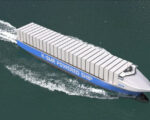
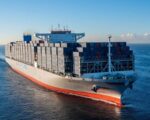
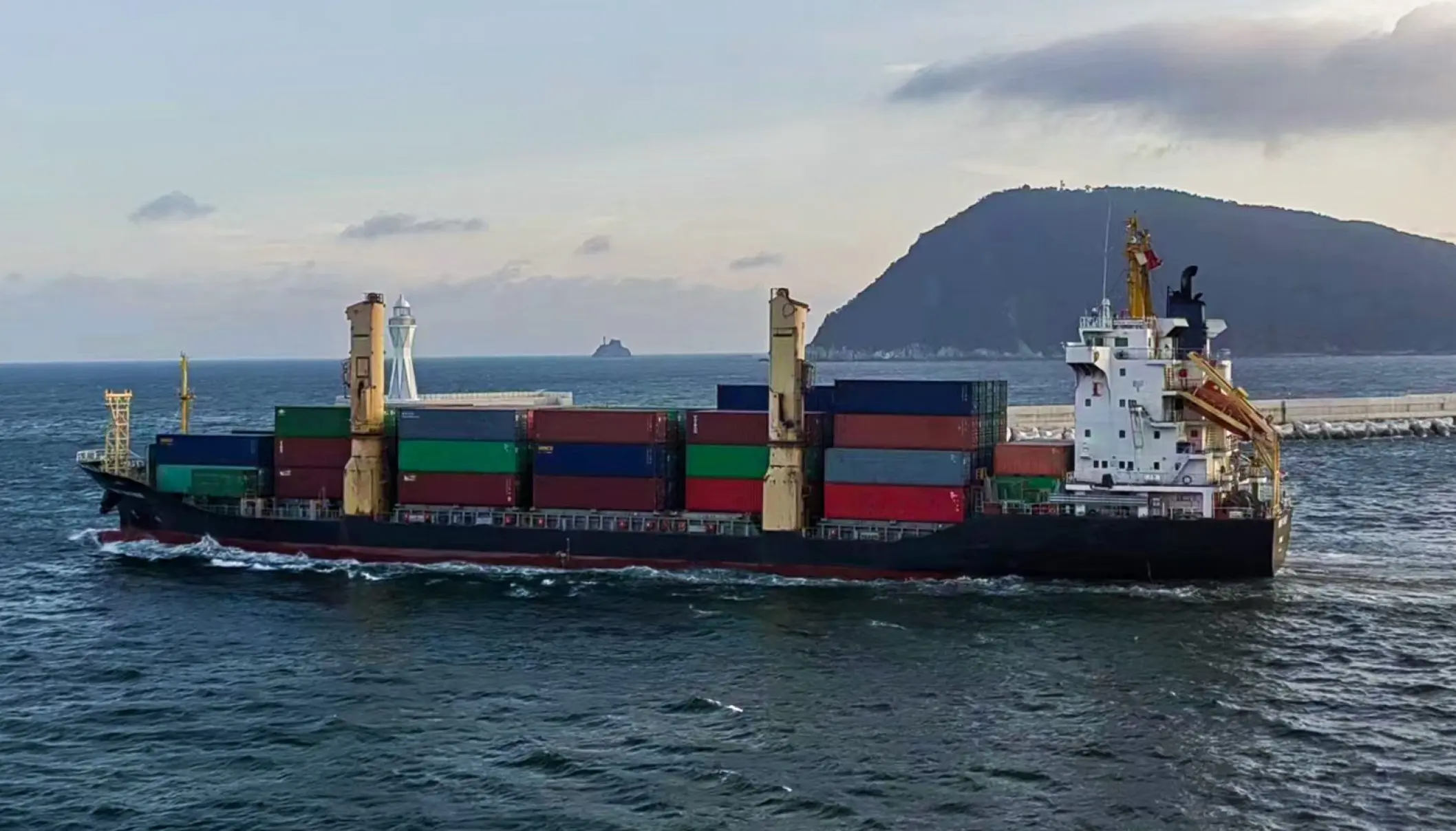
The planned voyage would use an ice-class containership with a capacity of around 3,000 TEU. The vessel is expected to sail from Busan through the Russian Arctic, stop at Tromsø, continue to Rotterdam and then return to South Korea along the same route.
PanStar currently operates regional services between South Korea, Japan and China using much smaller vessels and is expected to charter a suitable ship for the Arctic voyage.
The South Korean government plans to support the project through preferential financing, reduced port fees and other incentives. Officials expect the voyage to take place in August or September, when Arctic ice conditions are at their lightest.
Critics inside South Korea have questioned both the environmental impact and the practical readiness of the project. Local media previously reported that the country currently has only 11 captains and first officers who have completed specialized polar navigation training.
The Ministry of Oceans and Fisheries, however, insists there will be no shortage of qualified personnel. Officials noted that under the International Maritime Organization Polar Code, special qualifications are not required when ice concentration remains below 10 percent.
The project will also require coordination with Russia, which controls permits for transit along the Northern Sea Route.
South Korea’s plans come as Chinese operators continue expanding Arctic shipping activity. According to reports, Chinese shipping companies completed 14 Arctic container voyages in 2025, including the vessel Istanbul Bridge, which completed a direct China-Europe transit in around 20 days.