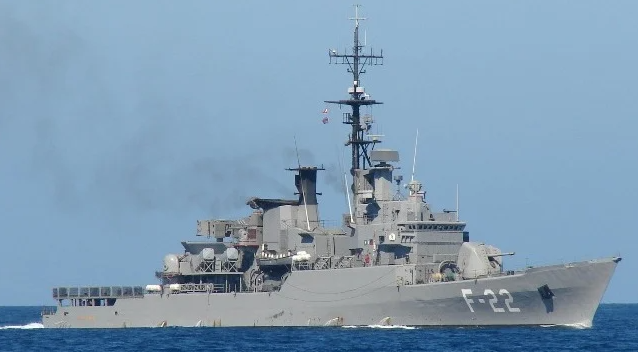
According to Splash 247, Venezuela has started sending naval escorts for vessels carrying oil byproducts from its ports, highlighting rising maritime tensions after US President Donald Trump threatened a “total and complete” blockade of sanctioned tankers trading to and from the country.
Ship-tracking data and sources cited by The New York Times show that vessels carrying cargoes like urea and petroleum coke left Puerto José under naval protection between Tuesday evening and Wednesday morning. A US official confirmed Washington is monitoring the escorts and considering responses, though it is unclear if these ships are themselves under US sanctions.
State oil company PDVSA downplayed the move, saying its vessels operate “with full security, technical support and operational guarantees in the legitimate exercise of their right to free navigation.”
Tensions escalated after US forces seized the sanctioned tanker Skipper off Venezuela on December 10, an action Caracas called “international piracy.” Trump accused Nicolás Maduro’s government of using oil revenues to fund “drug terrorism, human trafficking, murder, and kidnapping,” while Maduro warned such measures risked a “new Vietnam.”
Data from TankerTrackers.com shows the scale of the fleet now in focus. Of 75 confirmed sanctions violators in Venezuela, 38 are under US sanctions. Export-capable vessels include 26 OFAC-blacklisted tankers, 15 of which are loaded: seven VLCCs/ULCCs (six laden), two suezmaxes (one laden) and 17 aframaxes (eight laden). Despite the blockade, a Panama-flagged, US-blacklisted VLCC recently entered Venezuela while spoofing its AIS location.
Maritime risk specialist Windward reports a surge in high-risk tanker activity. Over 30 days, tankers linked to Iran, Venezuela, or Russia made 130 Caribbean visits, involving 116 vessels. Nineteen are sanctioned, 81 high-risk, and 14 under fraudulent flags, a 95% rise year-on-year.