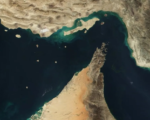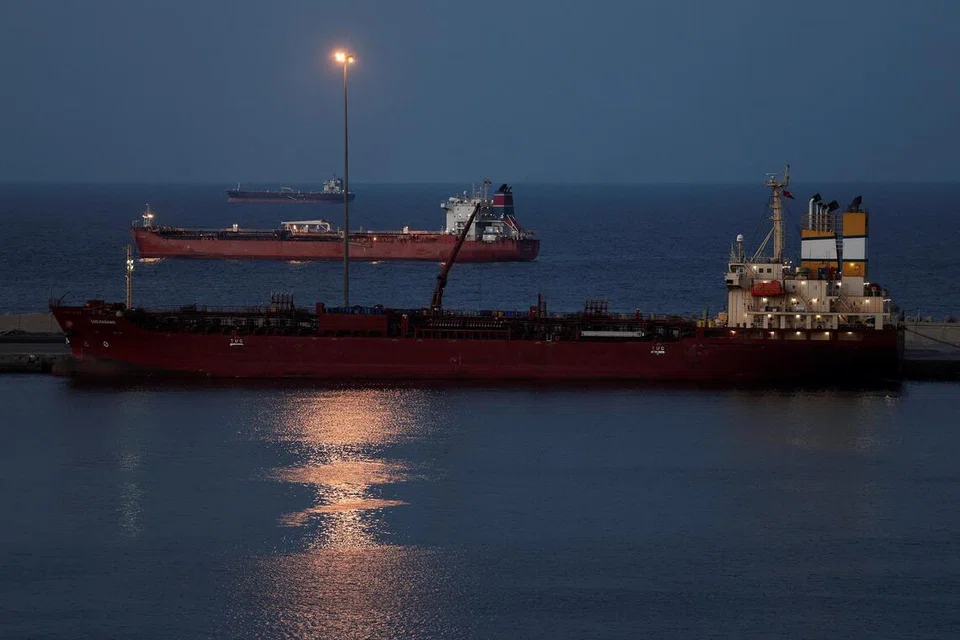
A major Strait of Hormuz shipping disruption has left around 3,200 vessels carrying roughly 20,000 seafarers effectively trapped west of the strategic waterway as security conditions across the Persian Gulf region continue to deteriorate.
The figures were disclosed by the International Maritime Organization (IMO) ahead of an extraordinary session of the IMO Council scheduled for March 18–19, where member states will discuss the escalating threat to merchant shipping in the Arabian Sea, Sea of Oman, and Persian Gulf.
The 36th Extraordinary Session of the IMO Council will convene at IMO headquarters in London to assess the rapidly evolving security situation and coordinate the organization’s response. The IMO Council, composed of 40 member states, serves as the agency’s executive body and can take urgent measures on matters affecting global maritime safety and security.
According to the IMO Secretariat, the crisis began to affect international shipping on 1 March 2026, when four merchant vessels were attacked in the region. The incidents resulted in the deaths of two seafarers and one port worker, with additional attacks in the following weeks causing further casualties and injuries among merchant crews.
The continuing attacks have significantly increased the risk of transiting the Strait of Hormuz. As a result, many shipowners and operators have delayed voyages or instructed vessels to hold position west of the strait while risk assessments are carried out. The IMO estimates that thousands of ships are currently waiting outside the area, leaving tens of thousands of seafarers confined onboard as companies and governments weigh the safety of attempting passage.
Security threats reported in the region include missile strikes, unmanned aerial vehicle attacks, and explosive boat incidents, creating a complex operating environment for merchant vessels.
IMO Secretary-General Arsenio Dominguez has condemned the attacks on civilian shipping and urged all parties involved in the conflict to respect international maritime law and freedom of navigation.
In statements issued earlier in March, Dominguez called for urgent de-escalation and emphasized that merchant seafarers are increasingly being exposed to direct risks while performing essential global trade operations.
The IMO Secretariat has also intensified coordination with member states, shipowners, seafarer unions, and international organizations to monitor incidents and support crews affected by the crisis. Discussions with industry representatives have highlighted the need for improved communications, mental-health support, and reliable resupply arrangements for vessels forced to remain at sea for extended periods.
The IMO has reminded governments and operators to ensure full compliance with SOLAS safety requirements and the International Ship and Port Facility Security (ISPS) Code.
Shipping companies have also been urged to follow Best Management Practices for Maritime Security (BMP), which provide operational guidance for vessels operating in high-risk regions, including voyage planning, enhanced watchkeeping, and threat mitigation procedures.