The humanitarian crisis aboard merchant vessels held by Somali pirates is deepening, with crews on three hijacked ships continuing to endure deteriorating living conditions, health problems and growing uncertainty over when they may be released.
The most critical situation has been reported aboard the Palau-flagged tanker Honour 25, which was hijacked on 21 April and has remained under pirate control for more than two months.
According to the latest communication from the vessel’s master, all 17 crew members are still alive, but five seafarers, including the master, are suffering from health problems. Food supplies have reportedly been reduced to rice, while the available drinking water is considered unsafe.
Regional maritime security authorities, through the Chair of the Djibouti Code of Conduct/Jeddah Amendment, have issued an urgent appeal for international action, warning that the humanitarian situation has reached a critical stage. They stressed that any further delay in securing the crew’s release could seriously endanger the lives and wellbeing of those on board.
The latest report from the tanker also highlights a new security threat. According to the crew, pirates guarding the vessel exchanged gunfire with a rival pirate group attempting to approach the ship, placing the captive seafarers at immediate risk despite not being involved in the confrontation.
The appeal calls on the Federal Government of Somalia, the vessel’s flag state, the shipowner, insurers, humanitarian organizations and regional partners to intensify diplomatic, legal and operational efforts to secure the immediate release of all hostages.
Concerns also remain for the crews of the MV Sward and MV Eureka, which continue to be held under similarly difficult conditions.
The MV Eureka, which was seized in early May while sailing near Puntland, remains anchored off Somalia under pirate control. It has a crew of 22, including eight Egyptians and several Indian nationals.
Egyptian Foreign Minister has instructed the country’s embassy in Mogadishu to maintain constant contact with Somali authorities and international organizations involved in efforts to free the crew. Egypt’s embassy in Riyadh, which is accredited to Yemen, has also been tasked with coordinating with Yemeni authorities and the vessel’s owner to accelerate negotiations.
According to Egypt’s Foreign Ministry, officials are also working to improve living conditions for the detained seafarers and to ensure they remain in contact with their families.
However, prospects for an early resolution remain uncertain. Last week, Captain El-Sayed El-Shazly El-Naggar, head of Egypt’s Maritime Officers Syndicate and liaison officer with the International Transport Workers’ Federation (ITF), said negotiations had broken down after the pirates reportedly increased their ransom demands, effectively sending talks back “to square one.”
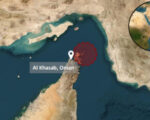
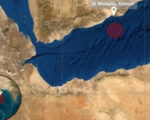
The renewed appeals come amid a resurgence of piracy in the Western Indian Ocean and the Gulf of Aden. Maritime security agencies recently reported two additional pirate attacks in the region, underlining growing concerns that commercial shipping and seafarers are once again facing an increasing threat from Somali pirate groups.