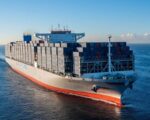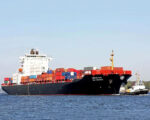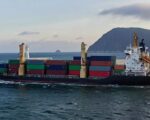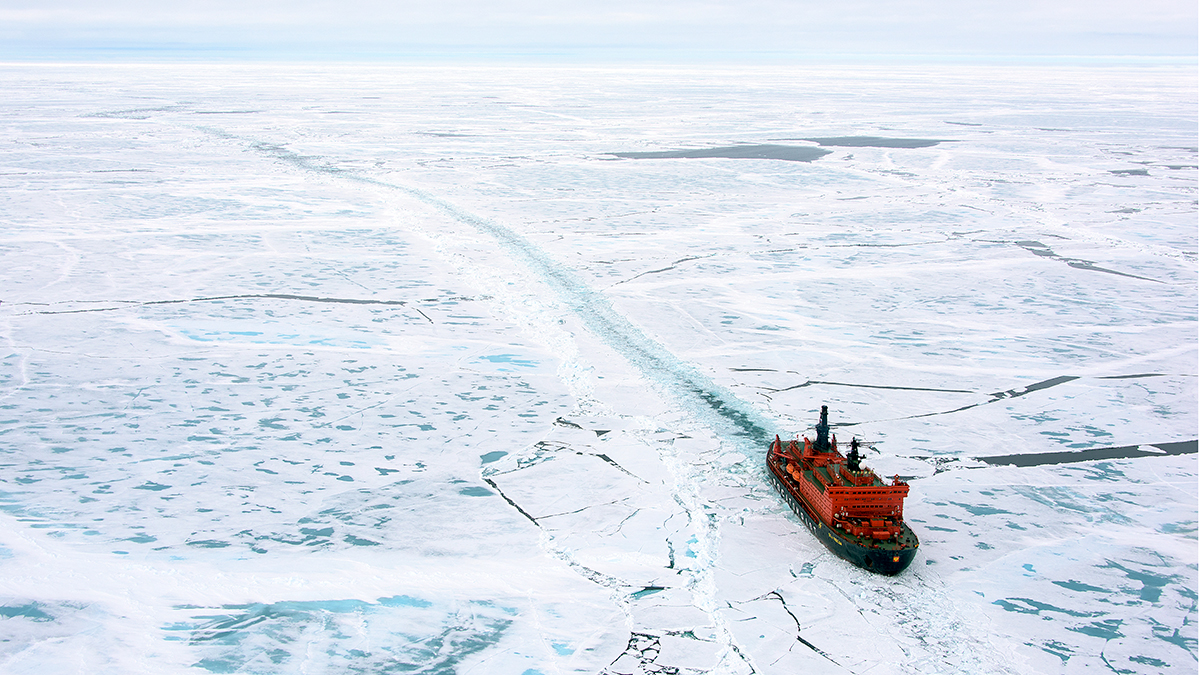
Ship traffic in the Arctic reached a record high in 2025, with 1,812 unique vessels operating within the Polar Code area, according to data released by the Arctic Council’s Working Group on the Protection of the Arctic Marine Environment (PAME). The figures represent a 40 percent increase compared with 2013, when PAME began tracking activity through its Arctic Ship Traffic Data (ASTD) system.
Total sailing distance nearly doubled over the same period, rising 95 percent from 6.1 million nautical miles in 2013 to 11.9 million nautical miles in 2025. The data show that vessels are not only more numerous but also making more repeated voyages, particularly along Russia’s Arctic coastline and within industrial supply chains.
Traffic remains strongly seasonal, peaking between August and October when sea ice reaches its annual minimum. In September 2025 alone, 1,060 vessels entered the Arctic, accounting for 58 percent of total annual traffic.
Fishing vessels continue to dominate Arctic operations, primarily entering from the Bering Sea and the Barents Sea. General cargo ships represent the second-largest category, supplying remote communities and transporting materials for major industrial developments such as Vostok Oil and Arctic LNG 2, which have required millions of tons of construction materials since 2022.
Crude oil tankers have been the fastest-growing segment, with their numbers quadrupling over the past 12 years. Some of these vessels reportedly operate without ice-class protection, raising environmental concerns.
Liquefied natural gas shipping has also expanded significantly. Prior to late 2017, no LNG traffic was recorded in Russia’s Arctic waters. In 2025, 40 distinct LNG carriers operated within the Polar Code area, many serving Yamal LNG, whose icebreaking tankers now transport gas year-round to Europe and Asia.
Despite the overall rise in Arctic activity, traffic along Russia’s Northern Sea Route has plateaued in recent years as Western sanctions have complicated financing, insurance, and shipbuilding for Russian energy projects, slowing certain planned expansions.