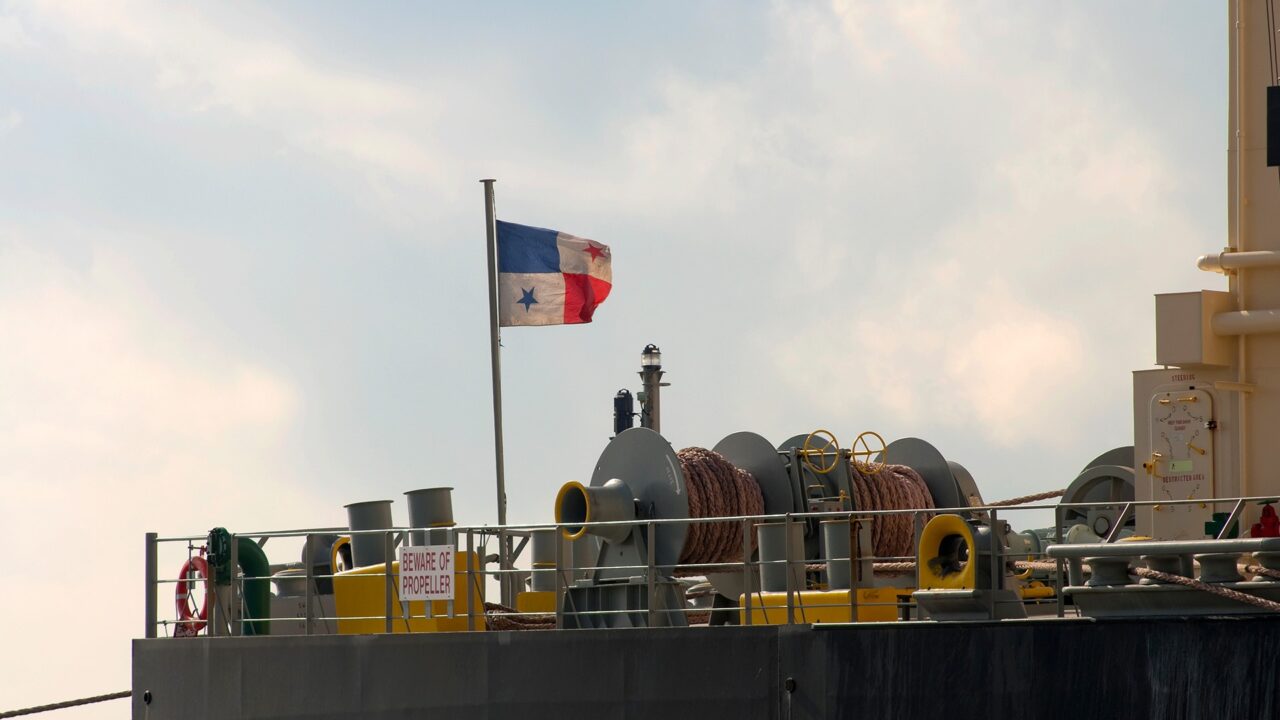
China has rejected accusations that it is deliberately targeting Panama-flagged vessels, insisting that increased inspections in Chinese ports are driven by maritime safety concerns rather than political retaliation. The statement comes amid growing concern in the shipping industry over a sharp rise in inspections and detentions of vessels registered under the Panama flag.
According to Xie, the inspections are being carried out in accordance with Chinese law and international conventions and are not directed at any specific flag state.
The ambassador argued that the measures were prompted by a series of collisions involving Panama-flagged vessels in Chinese waters during 2026, which resulted in fatalities and missing persons. He said Chinese authorities had increased port state control inspections as part of efforts to improve maritime safety.
However, the explanation has done little to ease concerns within the shipping industry. Reports from maritime analysts indicate that inspections of Panama-flagged ships in Chinese ports increased sharply after Panama’s Supreme Court ruled in February that CK Hutchison’s concessions for the Balboa and Cristobal container terminals were unconstitutional. The decision effectively terminated the company’s long-standing role in two strategically important ports linked to the Panama Canal. China has repeatedly criticized the move and warned that actions affecting Chinese investments could undermine confidence among international investors.
Industry data cited by Lloyd’s List Intelligence shows the number of inspections of Panama-flagged vessels in China doubled in March compared with historical levels and increased further in April. Detentions also rose significantly, with the number recorded during March and April exceeding the total for all of 2025.
Additional industry data suggests the trend intensified further. In April, Chinese authorities reportedly detained 164 vessels, of which 135 were flying the Panama flag, accounting for 82% of all detentions. During the first ten days of May, 44 out of 52 detained vessels were Panama-flagged, representing approximately 85% of total detentions during that period.
The issue has become increasingly sensitive as shipowners seek to avoid operational disruptions. Additional inspections can lead to delays, higher costs and schedule uncertainty, prompting some operators to transfer vessels to alternative registries.
According to Clarksons Research, the Panama flag fleet has contracted by 3.3% since the beginning of 2026, making it one of the weakest-performing major registries this year. The main beneficiaries have been Liberia and the Marshall Islands, which are attracting owners looking to reduce geopolitical exposure.
Industry sources also report that Chinese authorities have encouraged domestic shipowners to move vessels away from the Panama registry, although Beijing has not officially confirmed such measures.
Panama has openly criticized the increased inspections. Foreign Minister Javier Martínez-Acha previously called on China to respect the sovereignty of other nations, while several Latin American countries expressed support for Panama’s position.
The issue has also attracted attention in Washington. Earlier this year, Federal Maritime Commission Chair Laura diBella cited reports suggesting that inspections of Panama-flagged ships had risen far beyond historical norms and appeared to follow an informal directive linked to the CK Hutchison dispute.
China continues to deny any political motivation. Ambassador Xie accused Panama of taking politically motivated actions against Chinese business interests. He also urged Panamanian authorities to protect the rights of Chinese companies operating in the country.
Meanwhile, Panama is preparing to rebid the operations of the Balboa and Cristobal terminals later this year, while CK Hutchison is pursuing arbitration claims seeking compensation for the loss of the concessions.