Argentina has suspended a controversial pilotage reform after a nationwide strike by harbour and river pilots disrupted vessel traffic, delayed grain exports and left more than 150 ships awaiting clearance across the country’s main waterways.
Pilotage services resumed on August 5 after the government reached an agreement with pilot representatives. Under the deal, Argentina will temporarily suspend Decree 690/2026, cut pilotage tariffs by 20% and create a joint working group to review the proposed reforms. Authorities expect vessel traffic to return to normal gradually.
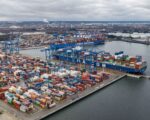
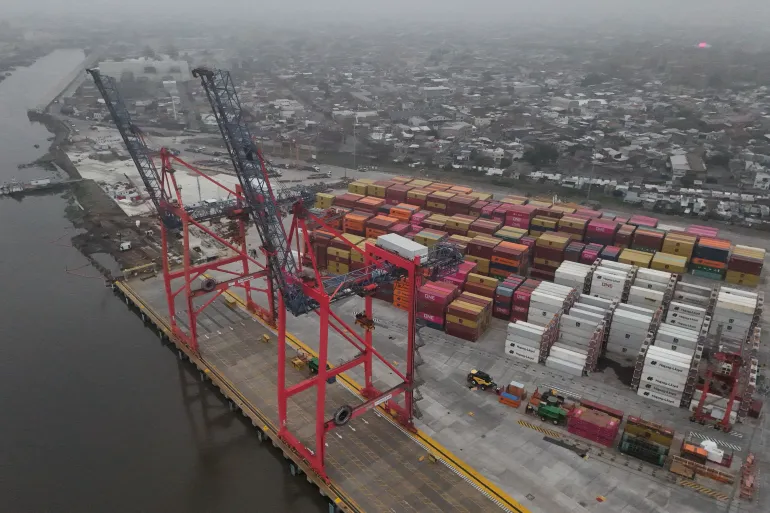
The strike disrupted operations at Buenos Aires, Dock Sud, La Plata, Zárate-Campana, Bahía Blanca and Quequén, as well as the Paraná-Paraguay Waterway, Argentina’s main export route. Industry estimates show that between 140 and 185 vessels were delayed. Some ships diverted to Montevideo and ports in southern Brazil to avoid long waits.
The disruption affected nearly three million tonnes of cargo, including soybeans, corn, wheat, fuel and other agricultural products. Shipping sources estimated delays cost operators up to $100,000 per vessel per day.
President Javier Milei’s government introduced the reform as part of a wider deregulation programme aimed at reducing logistics costs and increasing competition. The decree would have removed limits on licensed pilots, capped pilotage tariffs, eased requirements for pilot boats and allowed qualified Argentine and foreign masters to navigate some waterways without a local pilot after meeting competency requirements.
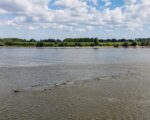
Pilot organisations opposed the changes, arguing that local knowledge remains essential for navigating Argentina’s rivers because of shifting channels, strong currents and heavy traffic.
The strike temporarily disrupted one of the world’s busiest agricultural export corridors. Argentina is the world’s largest exporter of soybean meal and soybean oil and one of the leading exporters of corn and wheat, with most shipments leaving through ports on the Paraná River.