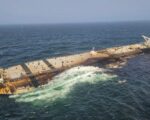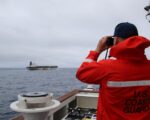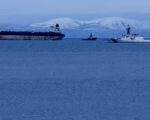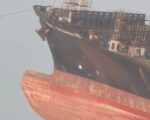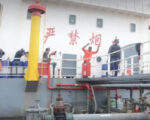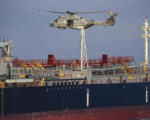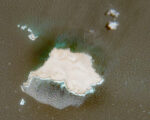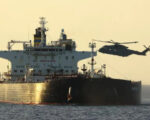
An expanding oil spill from the grounded tanker aroline Bezengi is threatening protected marine areas off Oman, with satellite images showing crude spreading across a large area of the Arabian Sea.
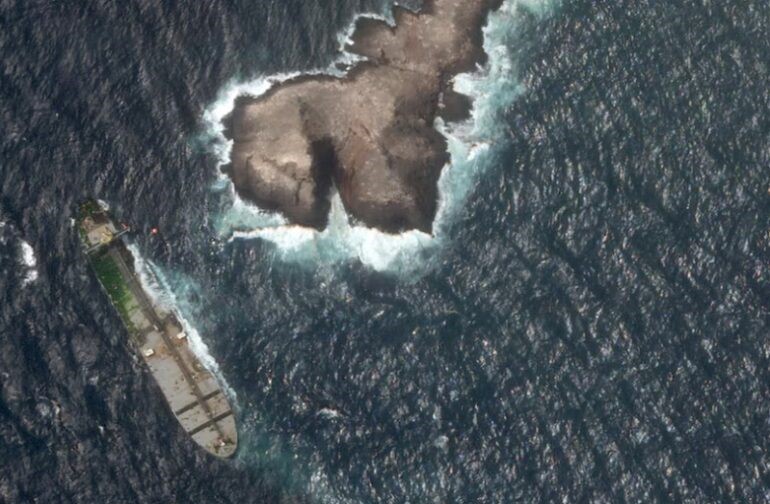
The 274-metre Suezmax tanker has remained stranded since June near Jazirat Al Qibliyyah in Oman’s Hallaniyat Islands. The vessel suffered an explosion on June 8 after loading Russian crude at the Black Sea port of Novorossiysk. The crew was evacuated safely, but the tanker later drifted onto rocks in shallow waters.
Satellite images reviewed by environmental groups and maritime analysts show that the oil slick has grown significantly. Greenpeace Germany estimated that the affected area reached about 150 square kilometres in early August, compared with around 20 square kilometres a week earlier.
The spill is spreading northeast from MV Caroline Bezengi towards Qibliyyah Island and surrounding waters. Environmental specialists reported thick oil patches along parts of the island’s coastline, while lighter surface oil continues to move with winds and currents.
The affected area is part of a protected marine zone that supports endangered seabirds, nesting sea turtles and the critically endangered Arabian Sea humpback whale. The coastline around the Hallaniyat Islands and nearby Dhofar region is also an important habitat for marine wildlife.
The tanker was carrying a large crude cargo when it grounded. Estimates suggest more than 800,000 barrels of oil may still be onboard. Inspections found hull damage, seawater entering cargo tanks and signs of internal leakage.
Salvage teams face major challenges because the tanker remains stuck on exposed rocks during the southwest monsoon season. Authorities have considered removing the cargo to reduce pressure on the damaged hull, but no major offloading operation has started.
MV Caroline Bezengi is owned by Shanghai-based Rentoor Ship Management and sails under the Cameroon flag. The vessel has been sanctioned by the United Kingdom, European Union, United States and other jurisdictions over alleged involvement in Russian oil exports.
The cause of the initial explosion remains unknown. Maritime sources have suggested possible external damage, but authorities have not confirmed any cause or responsibility. The International Maritime Organization (IMO) said it is monitoring the situation and discussing possible measures to address environmental and safety risks.