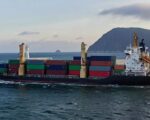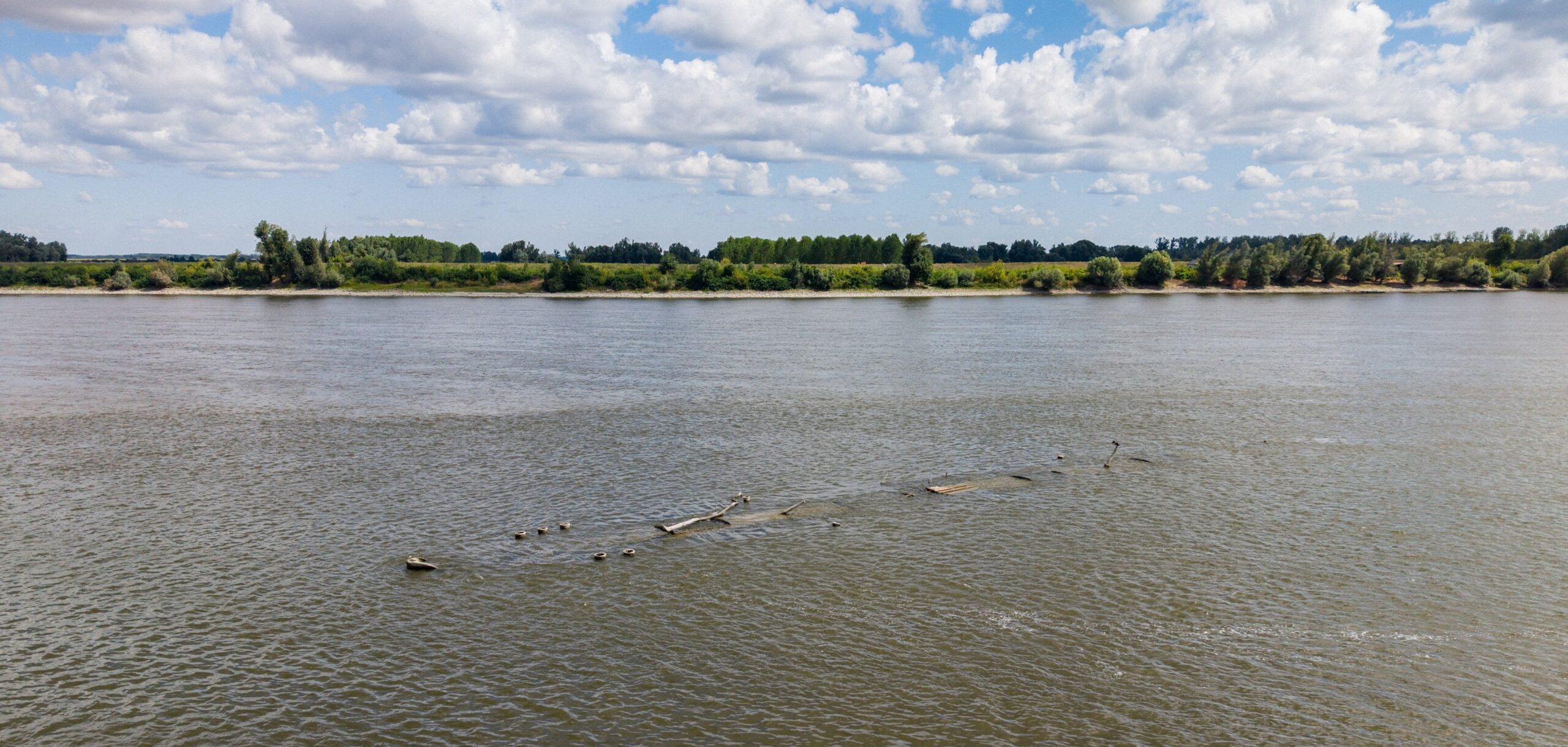
Record-low water levels on the Danube are disrupting inland shipping across southeastern Europe, forcing vessels to reduce cargo loads and revealing long-submerged shipwrecks.
The river has dropped to record or near-record levels in parts of Romania, Serbia and Croatia after weeks of extreme heat and drought. The situation has affected commercial navigation, with operators facing draft restrictions and delays.
In Serbia, fuel deliveries by river have fallen sharply. Barges and tankers are sailing with only 30-40% of their normal cargo capacity because of shallow water. Energy Minister Dubravka Djedovic Handanovic said July fuel imports reached only about a quarter of planned volumes, forcing the country to rely more on road and rail transport.
Romania is also facing major navigation problems. Water flow at an upstream monitoring point fell to about 1,700 cubic metres per second, compared with around 4,700 cubic metres per second normally recorded in July.
Low water levels have exposed sandbanks, leaving some grain barges unable to operate. Ferry services have also been disrupted, affecting exports from one of the European Union’s largest grain producers. Authorities have restricted some irrigation withdrawals while protecting water reserves needed to cool the country’s nuclear power plant.
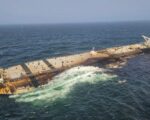
The drought has also revealed several historic wrecks. Near Opatovac in Croatia, the remains of the Hungarian cargo vessel Fulton have become visible again. The ship sank in 1937 while carrying coal to Novi Sad.
Further downstream in eastern Serbia, wrecks from a German World War II river flotilla have also reappeared. The remains create additional navigation risks in already shallow sections of the river.
The low water is affecting more than shipping. Fisheries, tourism and power generation are also suffering. Serbia’s Djerdap 1 hydropower plant is producing only about one-third of its normal output because of reduced river inflows.
Authorities expect water levels to improve slightly after rainfall upstream. However, navigation restrictions may remain until longer periods of precipitation restore the Danube’s flow.