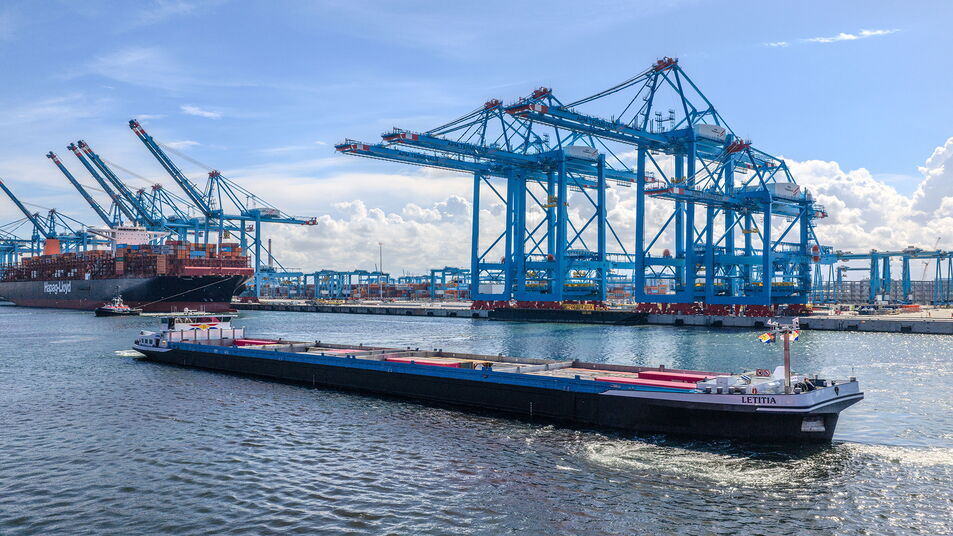
An inland container vessel has successfully completed an autonomous voyage between terminals in the Port of Rotterdam, navigating through busy commercial waterways alongside regular vessel traffic.
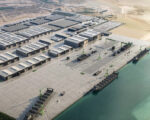
The inland container vessel MV Letitia completed the demonstration voyage from Amaliahaven on Maasvlakte to Waalhaven, transiting through Europoort and the Nieuwe Waterweg under autonomous control.
According to the Port of Rotterdam Authority, the vessel carried out key navigational operations independently, including departing the berth, navigating through port waters, adjusting course in response to surrounding traffic and docking at its destination terminal.
The trial took place in a live operational environment rather than a controlled test area, requiring the vessel to interact safely with other commercial traffic moving through one of Europe’s largest ports.
Throughout the voyage, onboard systems continuously monitored the surrounding environment, detected nearby vessels and executed collision-avoidance manoeuvres when necessary.
While the navigation system controlled the voyage, the vessel was not operating unmanned. A qualified skipper remained on board at all times, retained ultimate responsibility for the vessel and could take control whenever required.
The demonstration forms part of the European Union-backed MAGPIE project, which is focused on developing technologies that improve the efficiency, sustainability and digitalisation of transport and logistics operations.
For Rotterdam, autonomous navigation is viewed as a potential tool for strengthening inland shipping, which plays a key role in moving containers, bulk cargoes and liquid products between the port and inland destinations. Port officials believe greater automation could help improve operational flexibility, reliability and efficiency as cargo volumes continue to increase.
The autonomous navigation technology was developed by project partners Alphatron Marine, Argonics and Argonav. The companies said elements of the system demonstrated aboard MV Letitia are already being incorporated into commercial navigation-assistance products for inland vessels.
The voyage represents one of the most advanced autonomous inland shipping demonstrations conducted in a working European port to date, moving the technology beyond isolated trials and into everyday operating conditions.
Rotterdam has become a leading testing ground for maritime innovation projects, including autonomous navigation, digital traffic management and alternative-fuel initiatives. The latest trial is expected to provide valuable operational data as regulators and industry stakeholders continue evaluating the future role of autonomous vessels in commercial shipping.