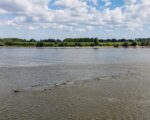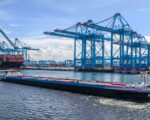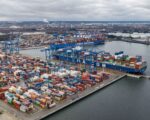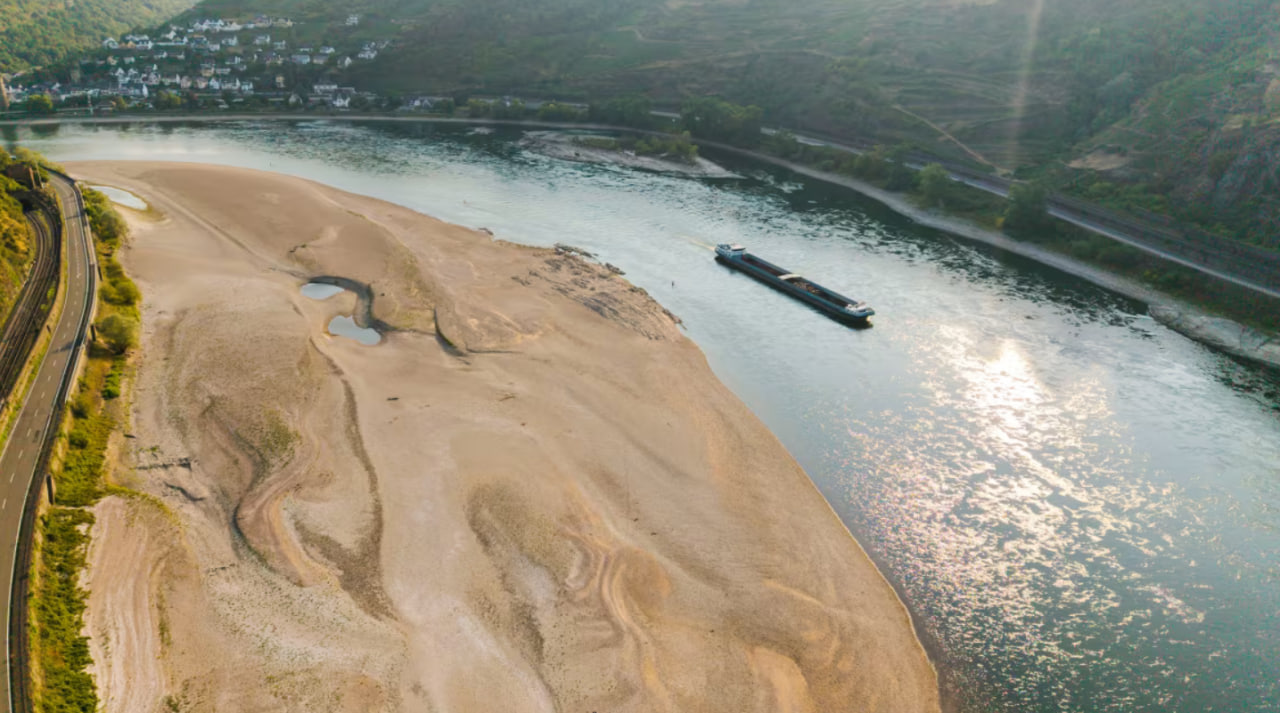
Water levels on the Rhine River have fallen to historic lows, disrupting inland shipping and putting pressure on industries that rely on one of Europe’s key transport routes.
The navigation point at Kaub, Germany, recorded water levels of around 21 centimetres in early August. This was the lowest level since measurements began in 1880. Forecasts showed that levels could fall further as dry weather continued.
The Rhine connects industrial regions in Germany, Switzerland, France and the Netherlands with North Sea ports. The river is a major route for transporting fuel, chemicals, coal, minerals and agricultural products. Low water levels force vessels to reduce their draft and carry less cargo to avoid grounding.
Operators have already cut barge loads by up to 80% in some cases. The reduced capacity has pushed freight costs higher, with diesel transport between Rotterdam and Karlsruhe reaching the highest levels since 2009. Low-water surcharges and the use of alternative transport modes are adding further pressure on supply chains.
Several industrial companies have reported disruptions. Chemical producers in Germany have shifted some deliveries from inland waterways to rail and road transport. BASF, Lanxess and Evonik have also increased monitoring of their logistics operations.
The current conditions are linked to low Alpine snow reserves, prolonged lack of rainfall and repeated heat waves across the Rhine basin. Scientists warn that dry soils and extreme heat reduce the impact of rainfall, as much of the water is absorbed before reaching rivers.
Other European waterways are also facing challenges. Low Danube levels have affected energy operations, including cooling water supplies for nuclear facilities in Hungary and Romania.