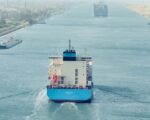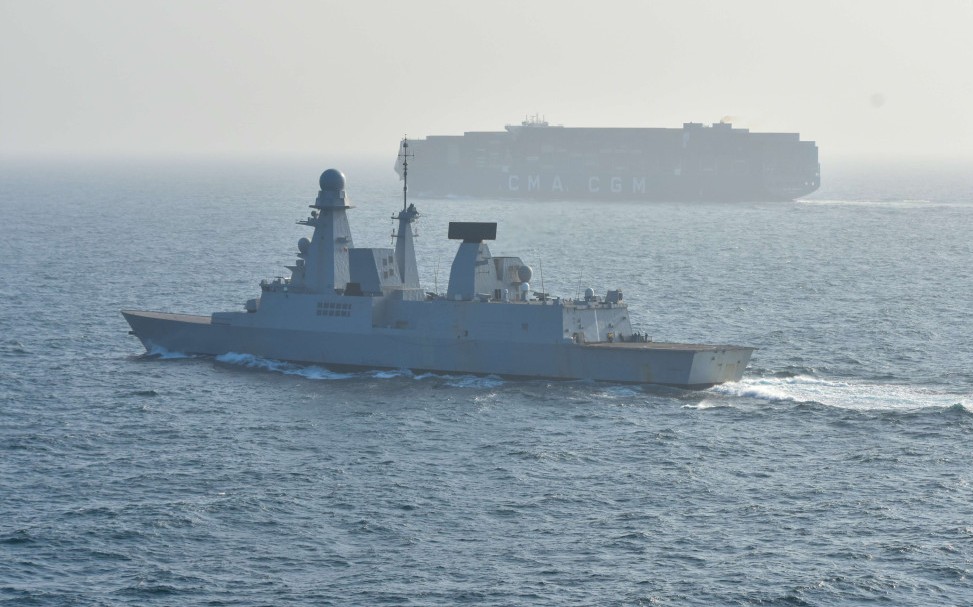
The European Union has agreed to extend its Red Sea naval mission, EUNAVFOR ASPIDES, through February 28, 2027, reinforcing its commitment to safeguarding commercial shipping in one of the world’s most volatile maritime corridors.
The decision, approved by the Council of the European Union, follows a strategic review of the operation, which was originally launched in February 2024 after Iranian-backed Houthi forces began targeting merchant vessels in late 2023.
Nearly €15 million has been allocated to cover the common operational costs from March 1, 2026, to February 28, 2027.
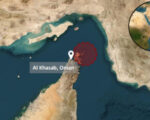
Operation ASPIDES provides defensive escorts and maritime security coverage in and around the Bab al-Mandab Strait, while monitoring key waterways stretching across the Red Sea, Gulf of Aden, Arabian Sea, and Strait of Hormuz.
The mission is headquartered in Larissa, Greece, under Rear Admiral Vasileios Gryparis. Another strategic review is planned during 2026/27 to assess the mission’s effectiveness.
The extension comes at a delicate moment for global shipping. Some carriers are cautiously evaluating a return to Red Sea and Suez Canal transits after more than two years of rerouting around the Cape of Good Hope.
Companies such as A.P. Moller – Maersk and Hapag-Lloyd have signaled initial structural moves back toward Red Sea services. However, CMA CGM recently reversed course, again opting for Cape routing.
The EU decision also coincides with increased U.S. naval deployments in the region. The aircraft carrier USS Abraham Lincoln and multiple guided-missile destroyers have entered the U.S. Central Command area of responsibility amid heightened tensions involving Iran and Houthi forces.
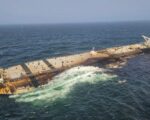
Since November 2023, when Houthi forces seized the vehicle carrier Galaxy Leader, more than 100 merchant vessels have reportedly been targeted. Four ships have been sunk, one seized, and at least eight seafarers killed.
The extension of ASPIDES underscores the EU’s long-term strategic positioning in the Red Sea as shipping companies weigh operational risks against rising costs and supply chain pressures.