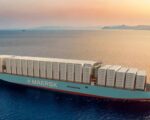
Portuguese authorities seized approximately five tonnes of cocaine after intercepting the container ship Maersk Nokwanda during a joint maritime operation in the Atlantic Ocean.
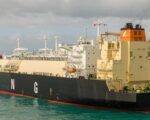
Portugal’s Judicial Police (PJ), supported by the Portuguese Navy and Air Force, intercepted the Hong Kong-flagged vessel about 640 nautical miles west of Lisbon. Authorities then escorted the ship to the port of Sines, where investigators searched it.
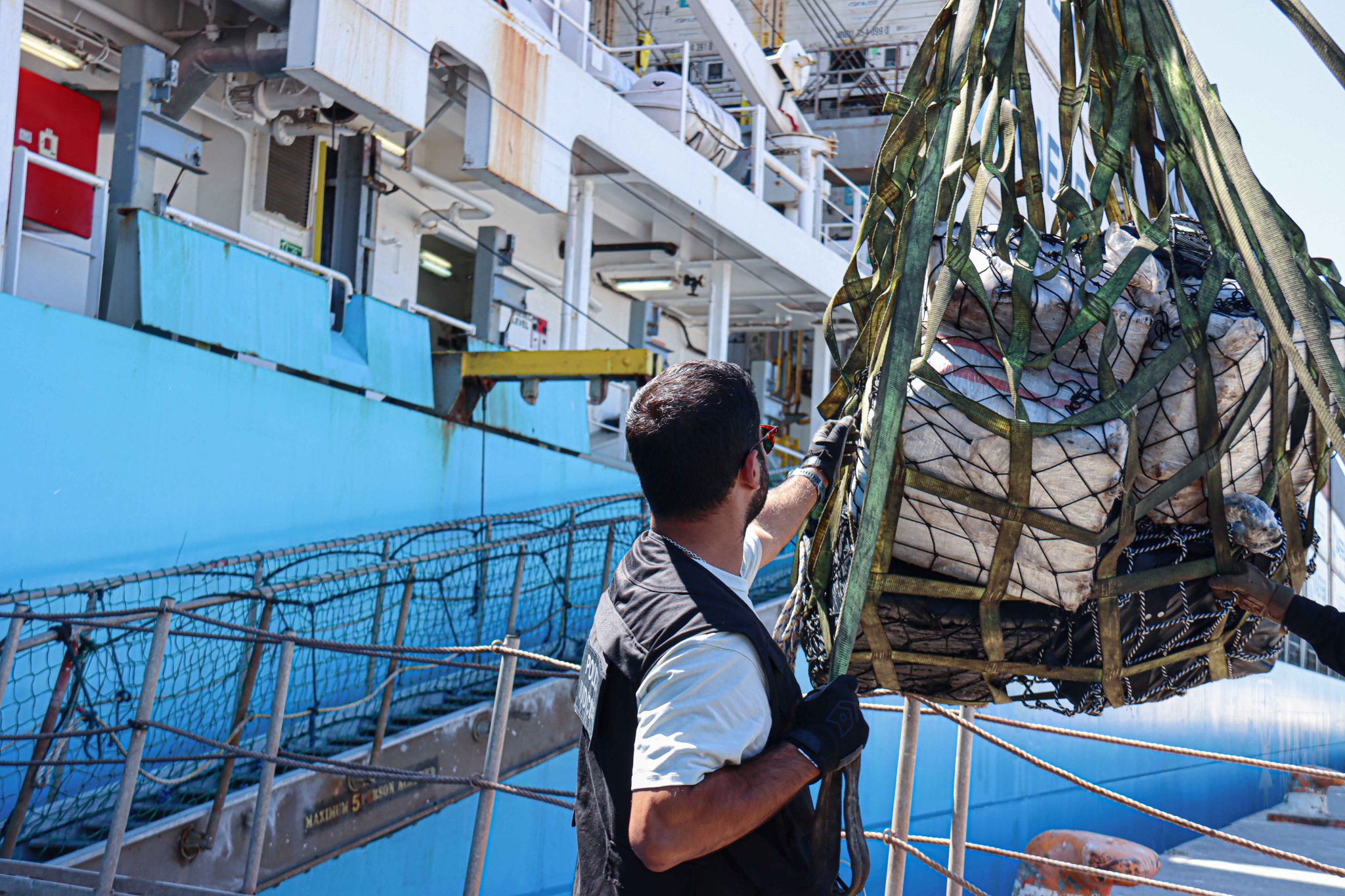
Investigators found the cocaine hidden inside internal compartments believed to be tanks or void spaces. Officers also recovered equipment allegedly intended for transferring drug packages at sea, suggesting the shipment was not meant to be unloaded through conventional port operations.
Investigators believe the traffickers planned to transfer the cocaine offshore to high-speed boats, which would then carry it to the Portuguese or Spanish coast. According to the PJ, criminal networks increasingly use this method to bypass security controls at major container terminals.
Authorities also detained two stowaways, Italian and Colombian nationals, who were aboard illegally. They arrested. An Indian crew member was also arrested on suspicion of involvement in the trafficking operation.
Portuguese authorities later confirmed that the crew member was found dead in his detention cell on 5 August. Local media reported that he is believed to have died by hanging, although officials said the circumstances of his death remain under investigation.
MV Maersk Nokwanda serves the banana-trade ports of Ecuador and the Colombian Pacific coast. Before its interception, the vessel called at Posorja and Machala in Ecuador, Buenaventura in Colombia, and Balboa and Colón in Panama. Then she crossed the Atlantic toward the Mediterranean. This route connects major South American export hubs with European ports and has long been considered vulnerable to cocaine smuggling concealed within legitimate cargo flows.
Portuguese authorities said the investigation into the trafficking network remains ongoing.