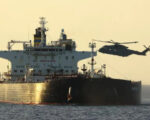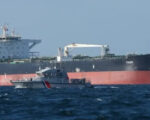
The European Union has proposed a new sanctions measure that would completely prohibit EU-based companies from providing maritime services to vessels transporting Russian crude oil, regardless of the oil price. The proposal aims to further restrict Russia’s ability to export oil by sea.
The European Commission suggests moving from the current price-cap system to a full ban on maritime services linked to Russian oil shipments. If adopted, EU companies would no longer be allowed to provide services such as insurance, reinsurance, brokering, technical support, port services, or ship management to vessels carrying Russian crude oil.
Under the existing framework, maritime services are permitted if Russian oil is sold below the G7 price cap. The new proposal would remove this exception entirely.
The initiative is intended to cut off what Brussels describes as Russia’s remaining maritime lifelines for oil exports. EU officials argue that the price-cap mechanism is increasingly being bypassed through non-transparent shipping practices and the use of so-called shadow fleet tankers.
The proposed ban is expected to push more Russian oil shipments toward non-EU service providers and increase reliance on older tankers operating outside traditional insurance and classification frameworks. This could have implications for navigational safety, port access, and compliance checks in international waters.
The proposal forms part of the EU’s upcoming sanctions package and is now under discussion among EU member states. Unanimous approval will be required before the ban can enter into force.