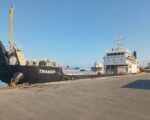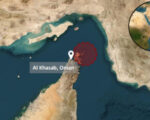
A Greek-operated oil tanker carrying Saudi crude has sailed through the Strait of Hormuz, becoming one of the first large commercial vessels to pass the waterway since regional hostilities effectively halted most tanker traffic.
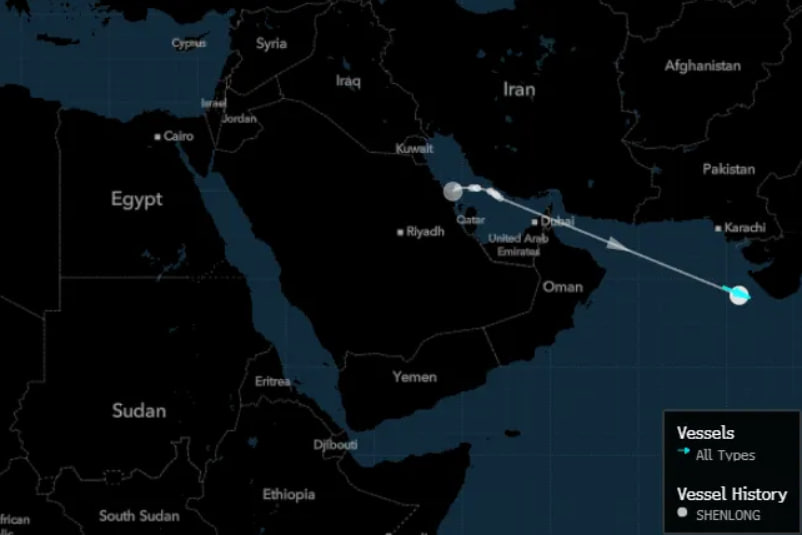
Ship-tracking data shows that tanker Shenlong, capable of carrying about 1 million barrels of crude, transited the strait after loading Saudi oil at the Ras Tanura terminal. The vessel is currently listing Mumbai, India, as its destination. The passage comes amid heightened security risks following the escalation of the U.S.–Israel conflict with Iran, which has severely disrupted shipping through the strategically vital corridor.
According to maritime analytics platforms Kpler, Lloyd’s List Intelligence and MarineTraffic, the tanker, which is operated by Greece’s Dynacom Tankers Management, switched off its transponder in the Persian Gulf on March 4 while sailing toward Hormuz and began signaling near India’s coastline on Monday morning.
The transit is notable because hundreds of vessels remain anchored on both sides of the strait, as shipowners monitor the security situation before resuming voyages through the narrow waterway.
Last week, a senior official of Iran’s Revolutionary Guards warned that the strait was effectively closed and threatened to open fire on ships attempting to pass, according to Iranian media reports.
Market participants are closely watching whether more tankers will attempt the passage. According to maritime analysts at Signal Group, shipping companies may still attempt transits but likely at reduced levels, adapting to the evolving security and insurance environment.
Some vessels have reportedly switched off AIS tracking signals before entering the strait, complicating efforts to monitor traffic flows.
Despite the tensions, Iranian oil shipments have continued moving through the corridor, with tracking data indicating that at least 11–12 million barrels of Iranian crude have left ports since the conflict began on February 28.