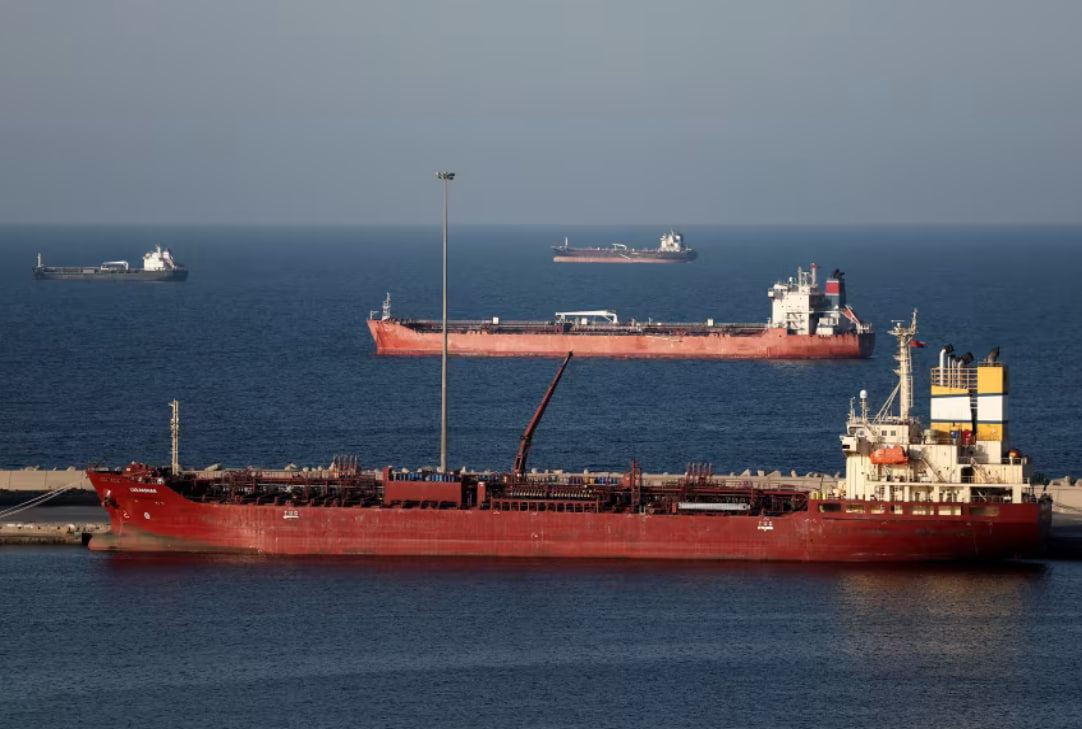
Iran has reportedly begun deploying Strait of Hormuz mines, raising new concerns for commercial shipping operating in one of the world’s most critical maritime chokepoints.
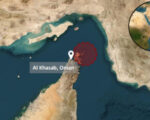
According to U.S. intelligence sources cited by CNN, Iranian forces have started laying naval mines in the strait using small boats, reportedly deploying them in limited numbers so far. The mine-laying activity has been attributed to units linked to Iran’s Islamic Revolutionary Guard Corps (IRGC).
U.S. officials noted that while the initial mine-laying activity appears limited, Iran retains the capability to deploy significantly more. Intelligence assessments suggest Iranian forces still control 80–90% of their mine-laying craft and small attack boats, allowing them to potentially deploy hundreds of additional mines if tensions escalate.
U.S. Central Command reported that American forces recently destroyed multiple Iranian naval vessels, including 16 mine-laying boats, operating near the strait. Meanwhile, U.S. officials say naval forces in the region are continuing to monitor the situation and assess options for maintaining safe navigation through the waterway.
For the global shipping industry, the presence of naval mines would significantly increase the operational complexity of navigating the Strait of Hormuz and could further disrupt tanker routes and energy supply chains worldwide.
Naval mines are widely considered one of the most disruptive maritime weapons because even a small number can force authorities to conduct extensive mine countermeasure operations before safe transit can resume. The presence of mines can quickly slow or halt commercial shipping traffic due to the risk posed to tankers and other large vessels.
There are also indications that Iran may attempt to maintain safe transit corridors for selected tanker traffic, particularly vessels carrying crude destined for key trading partners. Such arrangements could involve designated routes along Iran’s coastline separate from the established international traffic separation scheme.
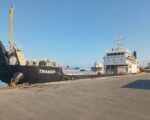
The mining threat comes amid ongoing hostilities between Iran and a U.S.-Israeli coalition, during which several merchant vessels have already been struck by projectiles or drones in the region. The strait has effectively seen traffic drop sharply as shipowners reassess the security risks.
Energy markets have already reacted to the uncertainty surrounding the corridor. Analysts estimate that nearly 15 million barrels per day of crude oil production, along with roughly 4.5 million barrels per day of refined fuels, could be affected if tanker traffic through the Strait of Hormuz remains disrupted.