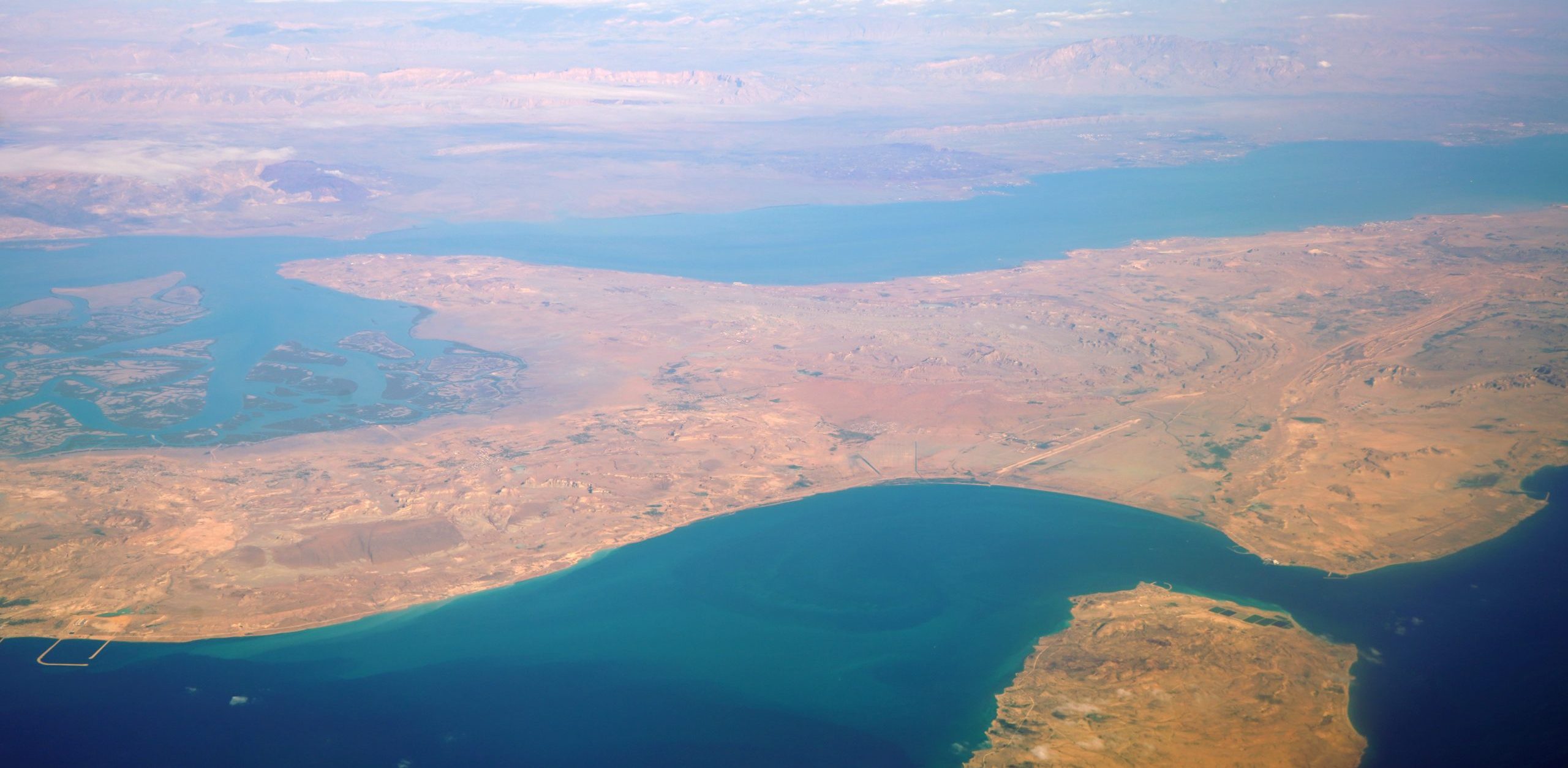
A senior commander of Iran’s Islamic Revolutionary Guard Corps (IRGC) has declared the Strait of Hormuz closed and warned that any vessel attempting to transit will be attacked, according to Iranian state media.
“The Strait of Hormuz is closed. Anyone who wants to pass, our self-sacrificing heroes in the IRGC Navy and the Army will set those ships on fire. Don’t come to this region. We will not allow a single drop of oil to leave the region,” declared Ebrahim Jabari, senior adviser to the IRGC commander-in-chief on March 2.
Despite the declaration by IRGC, U.S. authorities state that the waterway remains open to commercial navigation.
According to United States Central Command (CENTCOM), Iranian forces are not patrolling the Strait of Hormuz in a manner consistent with a blockade and there are no confirmed signs of sea mine deployment. Civilian shipping traffic continues, albeit at significantly reduced levels
However, security analysts warn that even without a physical blockade, missile and drone threats alone are sufficient to paralyze traffic in the narrow 21-mile-wide channel. The Iranian declaration formalizes what had already become a de facto slowdown in commercial shipping.
Tanker transits through Hormuz have fallen to a near standstill. Major shipping lines have either suspended or delayed Gulf transits as war risk insurance premiums surge.
According to Clarksons Research, 3,200 vessels remain inside the Gulf, including 112 crude tankers and 114 containerships, and approximately 500 vessels are waiting off UAE and Oman coastlines.
Reuters also cited Jeremy Nixon, CEO of Ocean Network Express (ONE), stating that around 10% of the global container fleet is currently affected by the crisis.
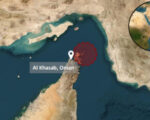
The Strait of Hormuz, situated between Iran and Oman, carries approximately 20% of global crude oil flows, along with significant volumes of LNG exports – particularly from Qatar. Energy markets reacted sharply: European natural gas prices surged nearly 50%, Asian LNG benchmarks climbed close to 40%. Crude oil prices spiked amid tanker disruptions
The Joint Maritime Information Center (JMIC) has elevated the regional maritime threat level to critical, indicating that further attacks are considered almost certain.
With thousands of vessels inside the Gulf and hundreds waiting outside, the Strait of Hormuz has effectively become the epicenter of the most severe maritime security crisis in the region in years.