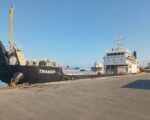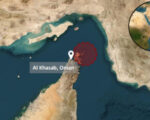
Iran has begun charging some commercial vessels transit fees of up to $2 million per voyage for passing through the Strait of Hormuz, effectively creating an informal toll on one of the world’s most critical maritime chokepoints, Bloomberg reported.
According to sources familiar with the matter, the payments are being requested on an ad hoc basis and handled discreetly, with no clear system or standardized mechanism. While some ships have reportedly complied, uncertainty remains over how the fees are collected and which vessels may be targeted next.
The lack of transparency around the payments is adding further pressure to global shipping and energy markets already strained by the conflict. For many cargo owners, ensuring uninterrupted deliveries – particularly of oil and LPG – has become a priority despite rising costs and risks.
India has pushed back against the move, stating that international law guarantees freedom of navigation through the strait and that no country has the right to impose transit fees. The issue was reportedly raised by Prime Minister Narendra Modi in discussions with U.S. President Donald Trump.
Iranian officials have signaled that the current practice could evolve into a formalized system. A lawmaker recently confirmed that Iranian parliament is considering proposals to require foreign vessels to pay for safe passage as part of a post-conflict framework.
At the same time, Tehran has clarified that foreign ships may still transit the strait if they comply with Iranian regulations and are not supporting acts of aggression. Iran addressed the issue more formally in a letter to the International Maritime Organization (IMO) dated March 22, stating: “Non-hostile vessels, including those belonging to or associated with other states, may – provided that they neither participate in nor support acts of aggression against Iran and fully comply with the declared safety and security regulations – benefit from safe passage through the Strait of Hormuz in co-ordination with the competent Iranian authorities.”
The letter also notes that Tehran has restricted the passage of vessels belonging to or associated with aggressor states and that full restoration of security and stability in the Strait is contingent on the end of military threats in the region.