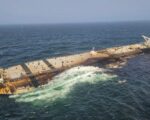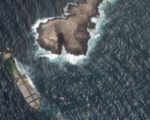
New Zealand has introduced one of its most extensive sanctions packages targeting Russia’s maritime operations, designating 100 vessels linked to what officials describe as Russia’s “shadow fleet” and further tightening the oil price cap in a coordinated effort with international partners.
On February 20, the country’s Ministry of Foreign Affairs & Trade amended its Russia Sanctions Regulations, adding 23 individuals, 13 entities, and 100 vessels to the sanctions list. According to officials, this marks the largest single-day vessel designation since the Russia Sanctions Act was adopted in March 2022.
The regulations also reduced the price cap on Russian-origin crude oil from $47.60 per barrel to $44.10 per barrel, aligning with the recently lowered European Union and United Kingdom cap levels. This is the third reduction since the price cap mechanism was introduced in February 2024.
New Zealand first introduced vessel-specific sanctions in June 2025, targeting 27 ships and creating a new restricted vessel category. By October 2025, 64 more vessels had been added, followed by 19 additional ships in September 2025. With the latest action, the total number of designated vessels now reaches 210.
Under the updated measures, the designated vessels are subject to asset freezes and are prohibited from entering New Zealand territorial waters. New Zealand persons and entities are barred from providing services or engaging in transactions with the listed ships.
Since the Russia Sanctions Act entered into force in March 2022, New Zealand has sanctioned hundreds of individuals and entities across multiple sectors, including political and military figures, financial institutions, defense contractors, and organizations accused of supporting Russia’s military operations. Sanctions have also targeted actors from Belarus, Iran, and North Korea.
The regulations were extended in February 2025 for an additional three years, through March 2028.
The move comes amid broader international efforts to disrupt Russia’s shadow fleet operations and limit the country’s ability to export crude oil in circumvention of Western sanctions.