Italian prosecutors investigating the sinking of the superyacht Bayesian have concluded that crew errors caused the casualty, directly contradicting earlier findings by the UK Marine Accident Investigation Branch (MAIB).
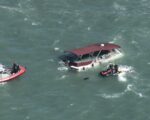
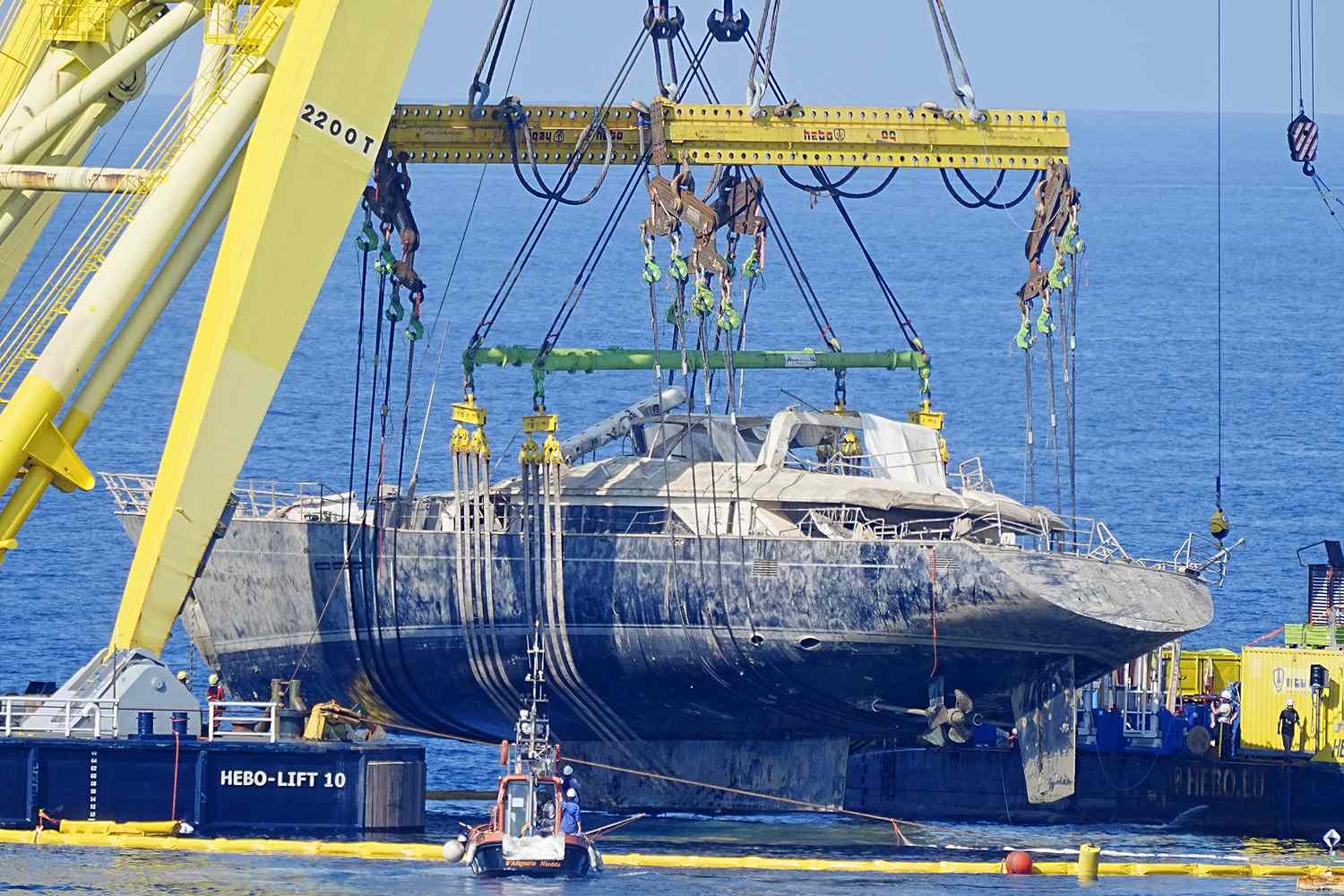
The 56-metre superyacht Bayesian capsized and sank off Porticello, Sicily, in the early hours of 19 August 2024. Seven people died in the accident, including British tech billionaire Mike Lynch and his teenage daughter.
According to a report commissioned by prosecutors in Sicily, the weather conditions at the time were severe but manageable. Experts described the event as “little more than a squall,” involving a sudden increase in wind speed ahead of thunderstorms and heavy rain.
The prosecutors’ report states that the yacht sank because the crew underestimated the weather conditions and failed to activate certain safety systems correctly. Italian authorities are investigating the vessel’s master along with two crew members. The three could potentially face manslaughter charges.
At the time of the accident, Bayesian was anchored offshore while waiting for bad weather to pass. Reports said the yacht’s sails were furled and the centerboard was raised in accordance with the vessel’s stability booklet. Winds reportedly increased from around 30 knots shortly before the casualty. At approximately 0406 local time, the yacht suddenly capsized to starboard and sank.
The findings differ sharply from the position taken by the UK MAIB. Its investigation relied on an analysis carried out by the University of Southampton’s Wolfson Unit for Marine Technology.
According to the MAIB, the yacht may have been vulnerable to capsizing in specific stability conditions that were not properly identified in the onboard stability documentation. The British investigators concluded that wind gusts above 63 knots striking the yacht broadside could likely have caused a knockdown and capsize.
“The risks of operating in the vessel’s specific stability configuration in high winds were not identified in the stability information book carried on board,” the MAIB said in its findings. The agency added that these vulnerabilities were unknown to both the owner and the crew.
The conflicting conclusions are expected to intensify legal disputes surrounding one of the most closely watched marine casualties involving a superyacht in recent years.