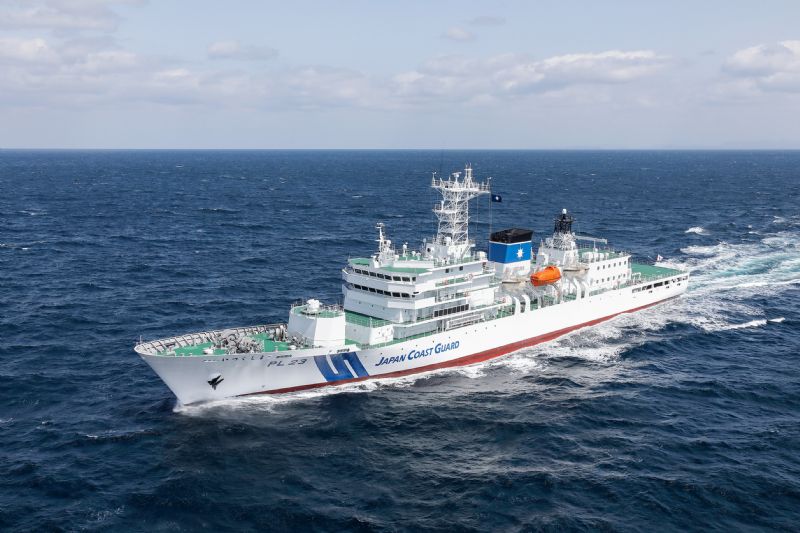
A fresh maritime confrontation unfolded on December 2 between Japanese and Chinese Coast Guard vessels near the contested Senkaku/Diaoyu island group – an incident initially reported by Maritime Executive. The encounter highlights growing instability in the East China Sea, where strategic waters, resource potential, and political rivalry increasingly collide.
For decades, Tokyo and Beijing have contested these five uninhabited islands and three reefs (called Senkaku by Japan and Diaoyu by China) located roughly 100 miles east of Taiwan and 250 miles west of Okinawa. The remote zone is believed to hold reserves of oil, natural gas, and productive fishing grounds. A cooperation agreement signed nearly 20 years ago has largely faded, overshadowed by China’s recent publication of expanded territorial claims and more assertive patrols.
The latest dispute comes as Japan’s new prime minister, Sanae Takaichi, adopts a firmer tone toward Beijing. In November, just after assuming office, she signaled that Japan could intervene militarily to defend Taiwan if necessary – a statement that stirred concern across the region.
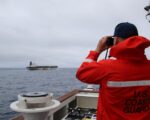
Both governments confirm only one common detail: a Japanese fishing vessel was present. According to Japan, four Chinese Coast Guard ships approached on a “rights-protection patrol,” prompting Japanese vessels to intervene and shield the fishing boat. Tokyo claims its ships positioned themselves between the fishermen and the Chinese, eventually forcing the Chinese vessels to withdraw.
Beijing offers the opposite account. Chinese officials insist the Japanese boat entered waters under China’s jurisdiction and was ordered out during a “rights-defending law enforcement operation.” They maintain the islands are inherently Chinese territory and that it was Japan who was told to leave.
Japan reports that Chinese activity around the islands has sharply increased, with 350 recorded voyages last year and a presence on 215 separate days. In July, a similar patrol sparked friction when China said it was responding to “illegal” Japanese fishing in the area.
The December encounter adds yet another flashpoint to an already volatile maritime border – one that neither capital seems willing to concede.