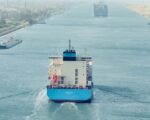
The ongoing Hormuz crisis has placed an estimated 20,000 seafarers in conditions not seen since World War II, according to warnings from the United Nations and maritime industry bodies. With the conflict entering its second month, crews remain trapped in the Persian Gulf amid escalating security risks and operational disruptions.
Since hostilities began on 28 February, more than 20 attacks on commercial vessels have been reported in the region, resulting in at least 10 fatalities and eight injuries among seafarers. The situation has effectively turned the Gulf into a maritime dead-end, preventing safe transit and crew rotation.
The International Maritime Organization (IMO) has described the situation as unprecedented in the modern era. Maritime Safety Division director Damien Chevallier warned that there is “no precedent for the stranding of so many seafarers,” highlighting the severe psychological and physical strain on crews operating in an active conflict zone.
Efforts to establish a humanitarian corridor to evacuate vessels and personnel have so far failed to materialize. The proposal draws comparisons to the Black Sea Grain Initiative, which enabled safe passage from Ukrainian ports earlier in the decade, but similar guarantees have not yet been secured in the Gulf.
Industry organizations, including the International Chamber of Shipping (ICS) and the International Transport Workers’ Federation (ITF), have raised concerns over deteriorating onboard conditions. Reports indicate shortages of food, fuel, and medical supplies, while over 1,000 distress messages have been received from seafarers in the region.
Authorities have begun implementing emergency measures. India’s Directorate General of Shipping has extended the validity of seafarers’ certificates by three months for crews unable to leave the area. However, industry leaders warn that prolonged exposure to conflict conditions could have lasting consequences for crew welfare and the global maritime labour supply.
The crisis is increasingly viewed as a potential turning point for the industry, with some experts suggesting that sustained conflict-related risks could surpass the long-term impact of the COVID-19 pandemic on crew availability and retention.