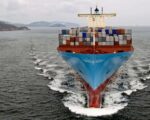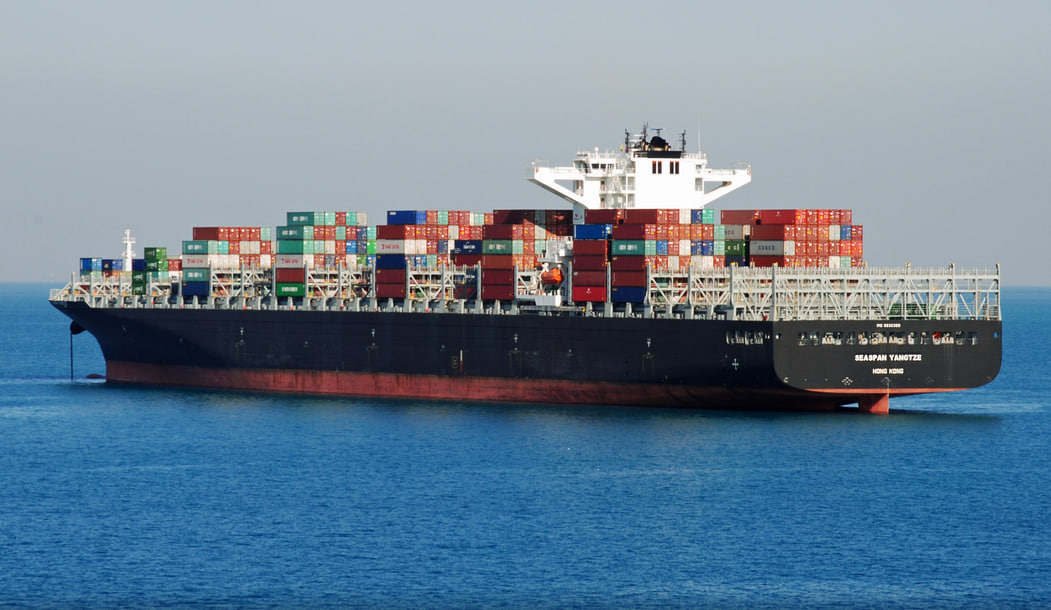
The first Seaspan containership operating under a long-term charter to Hapag-Lloyd has completed its methanol dual-fuel conversion in China. The 10,100 TEU containership Seaspan Yangtze was officially redelivered to its owners on June 1 after nearly three months of work at COSCO Shipping Heavy Industry’s shipyard in Shanghai.
Built in 2014, the vessel was upgraded to operate on both conventional fuel and methanol as part of a wider decarbonisation initiative. The conversion included modifications to the main and auxiliary engines, installation of methanol fuel systems and piping, new fuel tanks, and upgrades to engine room command and control systems.
Seaspan and Hapag-Lloyd announced plans in 2024 to convert five vessels of this class, investing approximately $120 million in the programme.
According to the shipyard, the overall preparation process took around 18 months, while the onboard conversion works were completed ahead of schedule after the vessel arrived in Shanghai in March. Sea trials have already been successfully completed.
The installation of dedicated methanol fuel tanks reduced the vessel’s container capacity by around 1.5–2%, but the project delivered improved energy-efficiency performance.
Hapag-Lloyd’s schedule shows Seaspan Yangtze will resume commercial operations on June 10, departing Ningbo before continuing to ports in China and later sailing to New York and Norfolk.
While industry momentum behind methanol has slowed due to concerns over fuel availability, infrastructure and regulatory uncertainty, shipowners continue investing in alternative-fuel projects. According to DNV, more than 100 methanol-powered vessels are currently in service worldwide, with over 200 additional ships on order for delivery by 2030.