Renewed Strait of Hormuz attacks have left several commercial vessels damaged or ablaze as the United States launched its naval escort initiative, “Project Freedom”.
The US operation was announced on 4 May, with US Central Command confirming the deployment of destroyers, aircraft, unmanned systems, and thousands of personnel to support the safe passage of commercial vessels stranded or unable to transit due to security risks. The initiative is designed to “guide” shipping through the Strait of Hormuz.
According to CENTCOM, the operation began with limited convoy-style movements through the strait and adjacent waters, including routing via Omani sea lanes outside the main traffic separation scheme. However, the rollout of the mission has been immediately followed by a wave of maritime incidents.
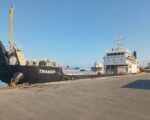
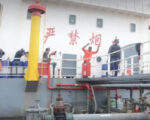
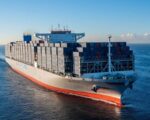
One of the most serious incidents involved the general cargo ship HMM Namu, which caught fire on 4 May while transiting the Strait. South Korean authorities reported that an explosion occurred in the engine room, though the cause remains undetermined. The Panama-flagged vessel, operated by South Korea’s HMM, was reportedly in ballast and at anchor at the time of the incident. All 24 crew members were confirmed safe.
South Korea’s Ministry of Oceans and Fisheries said it is coordinating with shipping operators and regional authorities while advising extreme caution for vessels operating near the strait. The ministry also confirmed that 26 South Korean-flagged vessels remain stranded in or near the area.
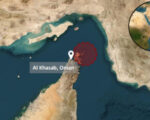
Separately, the UK Maritime Trade Operations (UKMTO) reported that a cargo vessel has been struck by an unknown projectile within the Strait of Hormuz on 5 May. Environmental impact is unknown.
Another vessel was struck by unidentified projectiles north of Fujairah, UAE. The United Arab Emirates later confirmed that the ADNOC-operated crude tanker Barakah had been hit by two drones while transiting the strait on 3 May. The vessel was carrying no cargo at the time, the crew was safe.
The escalation has unfolded in parallel with heightened political and military rhetoric. Iranian forces have reportedly expanded their declared control zone in and around the Strait of Hormuz, while issuing warnings that all vessels must coordinate passage with Iranian naval authorities. The US, meanwhile, has insisted that “Project Freedom” will continue, framing it as a protective mission for neutral shipping.
Industry sources note that the timing of the incidents – coinciding with the first days of the escort operation – has significantly increased uncertainty.
According to U.S. Central Command, the first phase of “Project Freedom” included the escorted transit of two U.S.-flagged merchant vessels. Both passed through the Strait of Hormuz under naval escort and reportedly reached the northern side without damage.
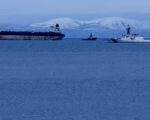
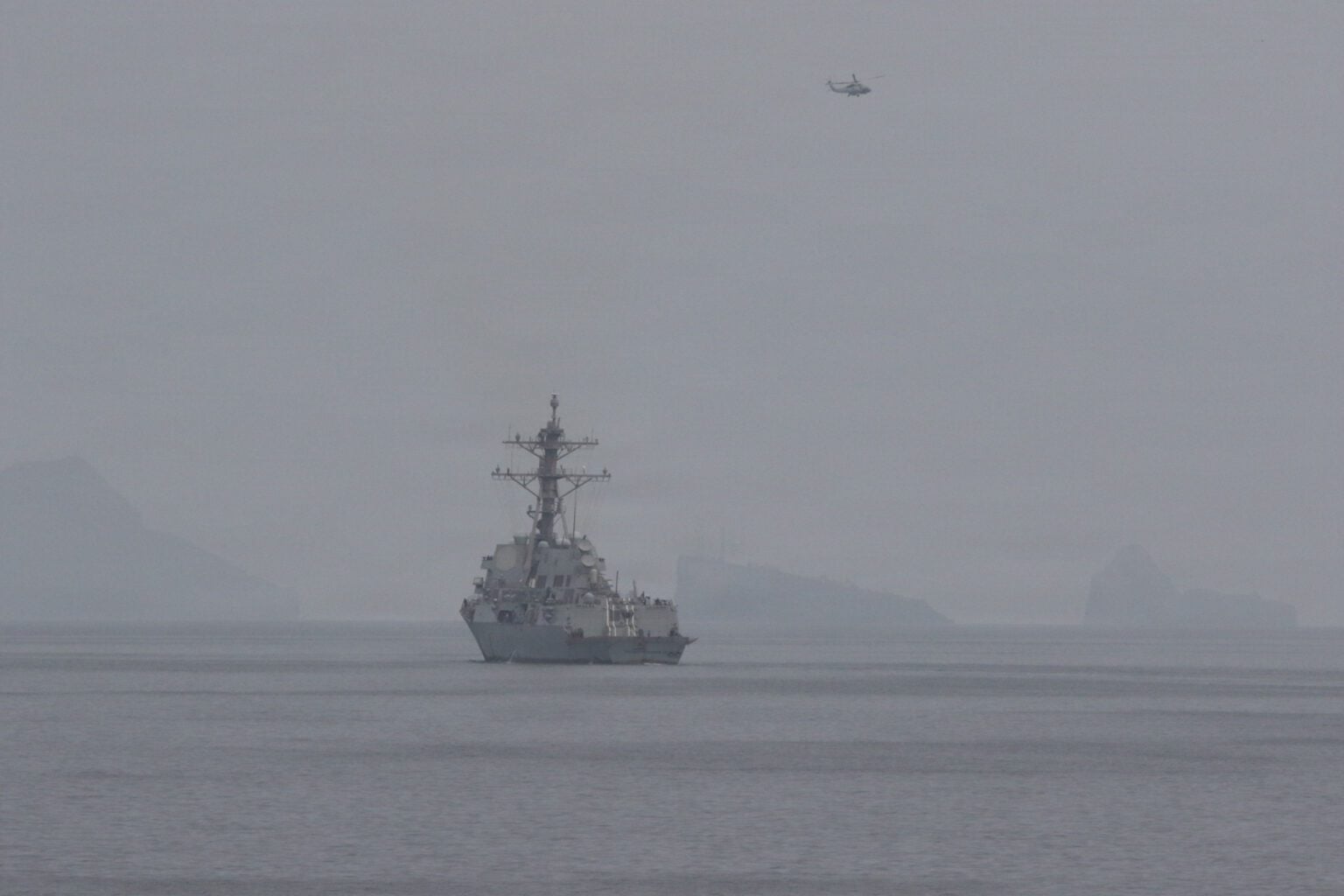
At the same time, CENTCOM confirmed that the escort operation came under fire during its first day. USS Truxtun and USS Mason were deployed as part of the security group. They were targeted by Iranian missiles and drone systems during the transit. According to CENTCOM, multiple incoming threats were intercepted by onboard and accompanying air defence systems.
U.S. forces also engaged Iranian fast attack craft in the area. Several small boats were destroyed during the exchange.
No U.S. warships were hit. However, officials described the engagement as one of the most direct confrontations involving naval forces since the escalation began.
Despite the presence of naval escorts, shipping companies remain cautious. Industry body BIMCO warned that the security environment in the Strait of Hormuz remains highly unstable, with no formalised industry-wide guidance yet issued on the scope or long-term framework of “Project Freedom”. Operators continue to conduct case-by-case risk assessments, with many delaying transits pending clearer guarantees of safe passage.