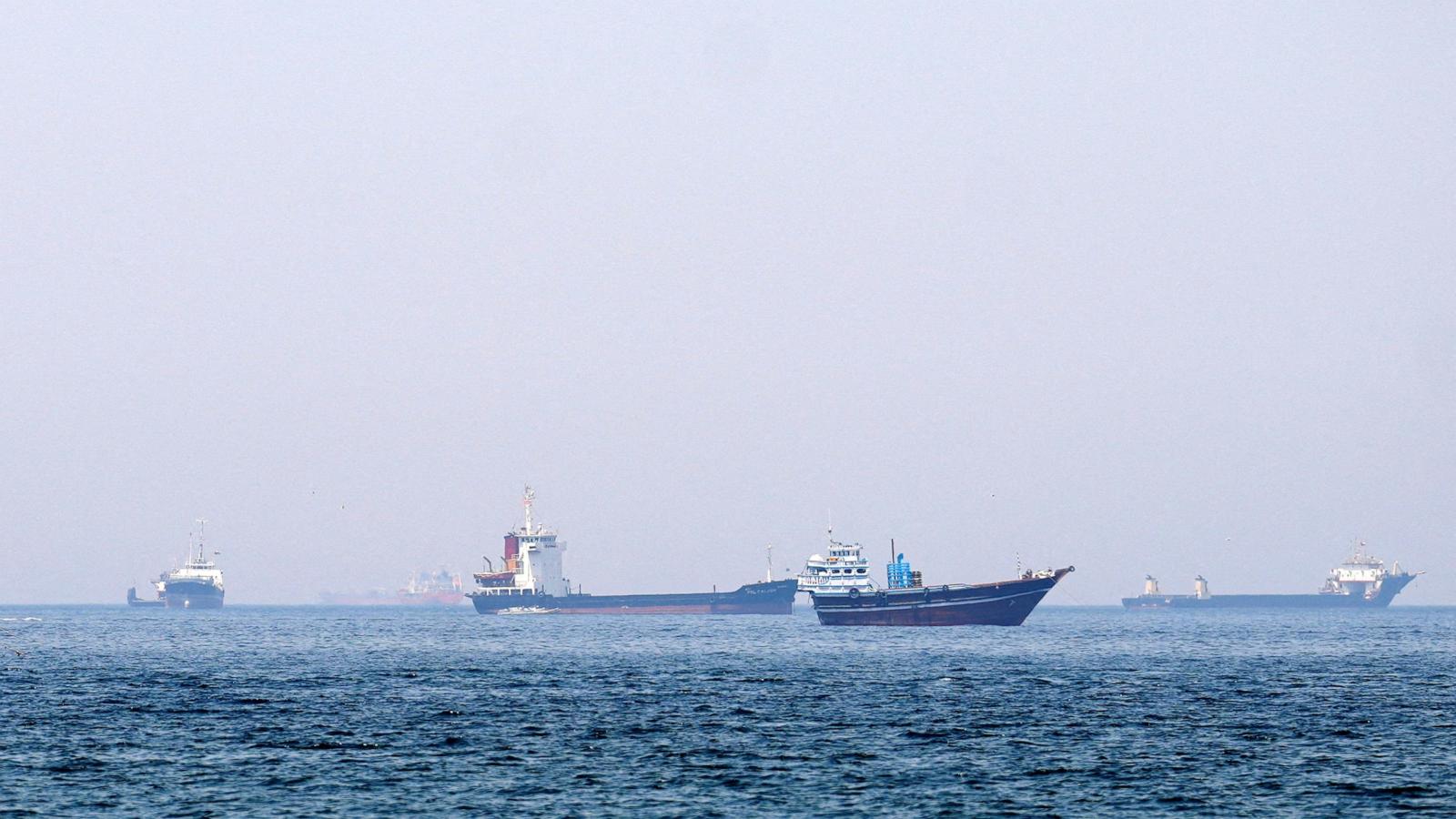
The Strait of Hormuz crisis has entered its 60th day, with around 20,000 seafarers aboard more than 1,600 vessels effectively stranded in the Persian Gulf, as security risks, naval enforcement, and stalled negotiations continue to block safe transit.
According to the International Maritime Organization (IMO), there is still no viable passage for commercial shipping. IMO Secretary-General Arsenio Dominguez told the United Nations Security Council that “there is no safe transit anywhere in the Strait of Hormuz,” citing ongoing attacks, the presence of potential naval mines, and the absence of credible security guarantees.
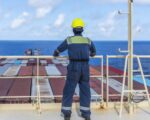
The humanitarian situation onboard remains critical. Crews have now spent weeks – in many cases over six weeks – waiting at anchor or drifting under operational restrictions. Fatigue and psychological stress are mounting, with seafarers reporting a growing sense of abandonment and lack of visibility.
“There is no precedent for the stranding of so many seafarers in the modern age,” said Damien Chevallier, director of the IMO’s Maritime Safety Division. He warned that prolonged exposure to such conditions could undermine both crew welfare and the long-term attractiveness of seafaring as a profession.
The security toll is also rising. Since the crisis began, at least 29 vessel-related incidents have been recorded, with a minimum of 10 seafarers confirmed dead and an unspecified number injured in attacks. Several vessels have also been detained or seized in recent weeks.
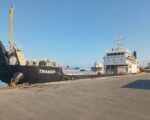
Operationally, the situation continues to escalate. Since the beginning of the blockade, U.S. naval forces have redirected at least 37 vessels attempting to approach the strait. Over the weekend, the 39,000-cubic-metre LPG carrier MV Sevan was intercepted in the Arabian Sea and escorted back toward Iranian waters. The vessel had reportedly been involved in transporting Iranian LPG cargoes as part of a sanctioned trade network.
These enforcement actions are part of Washington’s ongoing maritime pressure campaign targeting Iran-linked shipping. The dual blockade – with Iran restricting tanker movements in the Gulf and the U.S. interdicting Iranian-affiliated vessels – has effectively paralyzed one of the world’s most critical energy corridors.
At the same time, negotiations to resolve the crisis remain uncertain. Iran has reportedly submitted a new proposal to the United States through Pakistani intermediaries, aimed at de-escalating the conflict and reopening the strait. The proposal prioritizes an immediate ceasefire and restoration of maritime traffic, while postponing discussions on Iran’s nuclear programme to a later stage.
The plan envisions a phased relaxation of mutual blockades, potentially allowing commercial shipping – including oil and gas exports – to resume. However, U.S. officials have expressed reservations, indicating that any agreement must also address broader security concerns. As a result, talks remain ongoing without a confirmed breakthrough. There is no clear timeline for resolution.
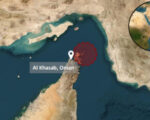
Meanwhile, the IMO is advancing a contingency evacuation framework for stranded vessels and crews. The plan would use the long-established Traffic Separation Scheme between Iran and Oman – the only internationally recognized navigation route in the strait – to facilitate departures once security assurances are in place and hazards such as mines are cleared.
However, major obstacles remain. Beyond the political deadlock, shipowners face practical constraints, including mine risks, lack of insurance cover, and uncertainty over lawful transit conditions. Dominguez has also rejected reports of transit fees or “permission-to-pass” arrangements, stating there is no legal basis for restricting navigation in an international strait.
For now, despite ongoing negotiations and diplomatic activity, the operational reality remains unchanged: vessels are idle, crews are under growing strain, and the Strait of Hormuz remains effectively closed to safe commercial navigation two months into the crisis.