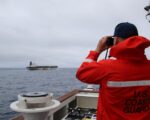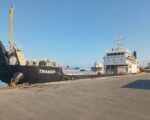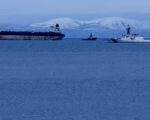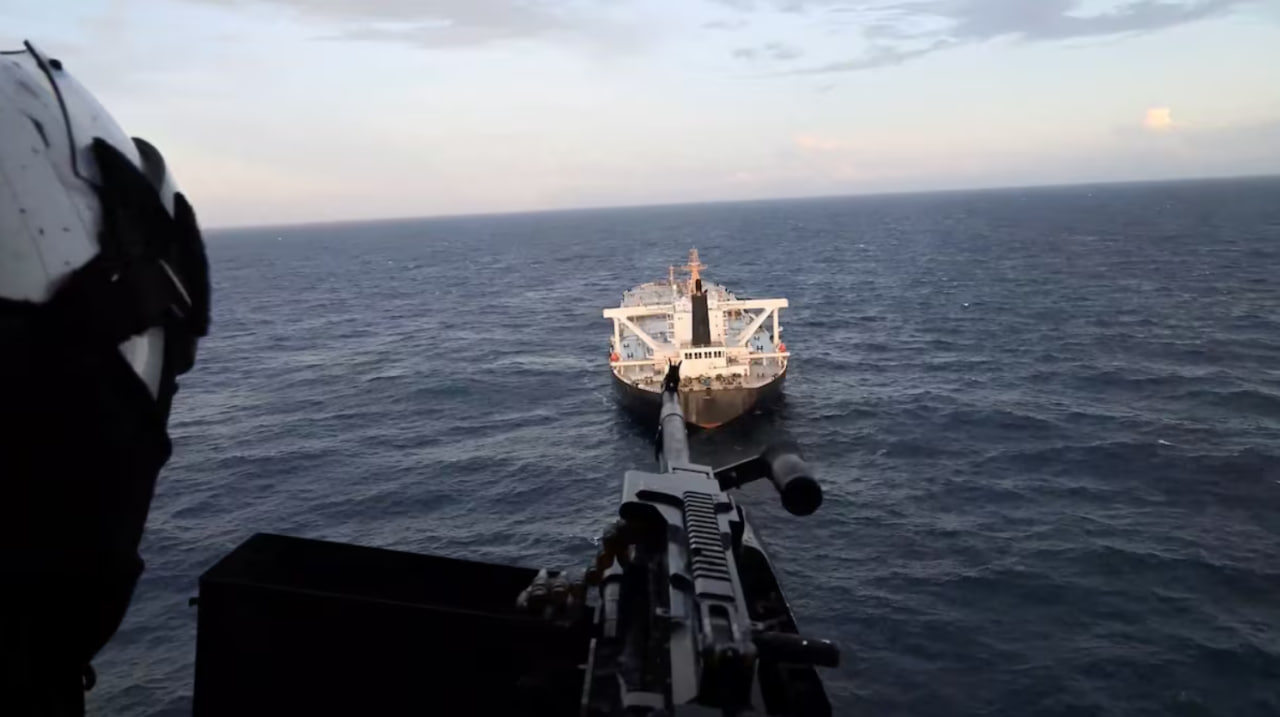
U.S. Indo-Pacific Command forces intercepted the crude oil tanker Lenore in the Indian Ocean on 5 June during a maritime interdiction operation conducted off the southern coast of Sri Lanka.
According to the U.S. military, the boarding was carried out under the international “right of visit” authority and was completed without incident. Officials described the vessel as operating as a stateless tanker at the time of the interception.
The vessel, also known as MV Lenore and previously identified in some sanctions records as Davina, was reportedly carrying approximately 1.9 million barrels of Iranian crude oil loaded at Kharg Island, Iran’s principal crude export terminal in the Persian Gulf.
At 333 metres in length, MV Lenore is a very large crude carrier (VLCC) capable of transporting up to two million barrels of oil per voyage. Ship tracking data indicated that the vessel was heavily laden when intercepted near Sri Lanka.
The tanker was placed under U.S. sanctions in October 2024 for its alleged role in facilitating Iranian oil exports. Washington has intensified enforcement measures against what it describes as illicit maritime networks supporting Iran’s energy trade, targeting vessels, operators and intermediaries involved in transporting sanctioned cargoes.
In a statement following the operation, U.S. Indo-Pacific Command said it would continue maritime enforcement activities aimed at disrupting networks that provide material support to Iran.
The interception forms part of a broader campaign of tanker monitoring and enforcement across the Indian Ocean and adjacent waters. Several commercial vessels suspected of involvement in sanctioned oil trades have been inspected or detained in recent months as authorities seek to increase pressure on Iranian export channels.
Kharg Island remains Iran’s primary crude oil export hub, handling the majority of the country’s seaborne oil shipments. Cargoes loaded there are frequently transported by tankers operating through complex ownership structures, flag changes and ship-to-ship transfer arrangements designed to obscure cargo origins.
While U.S. authorities have not released details regarding the tanker’s final destination, maritime analysts note that vessels sanctioned for Iranian oil trading often participate in long-haul voyages to Asia, where Iranian crude continues to find buyers despite international restrictions.
No injuries or environmental incidents were reported during the boarding operation. The status of the vessel and its cargo following the interception has not yet been disclosed.