Life on board a vessel demands careful preparation. Cabin space is precious and every inch counts. So you need to be mindful of what goes in your bag.
1. Documents and essentials
Before you even start packing clothes, make sure your documents are in order. These are the items you simply cannot sail without:a
- Professional documents: passport, Seaman’s Book (CDC), Certificate of Competency (CoC) or Proficiency (CoP), and a valid Seafarer medical certificate.
- Company paperwork: contract of employment, Letter of Appointment (LoA), and any required visas, such as a US C1/D.
- Health credentials: proof of mandatory vaccinations (Yellow Fever) and recommended boosters (COVID-19, Flu). Digital QR codes on your phone are convenient, but always carry the original yellow vaccination card.
- Digital backups: scan everything and store copies in a secure cloud folder with offline access, plus a password-protected USB stick as a failsafe.
- Cash: carry $200–$500 in small USD denominations. Even as digital payments grow, slop chests and local markets in smaller ports often operate cash-only.
2. Clothing: layering for extremes
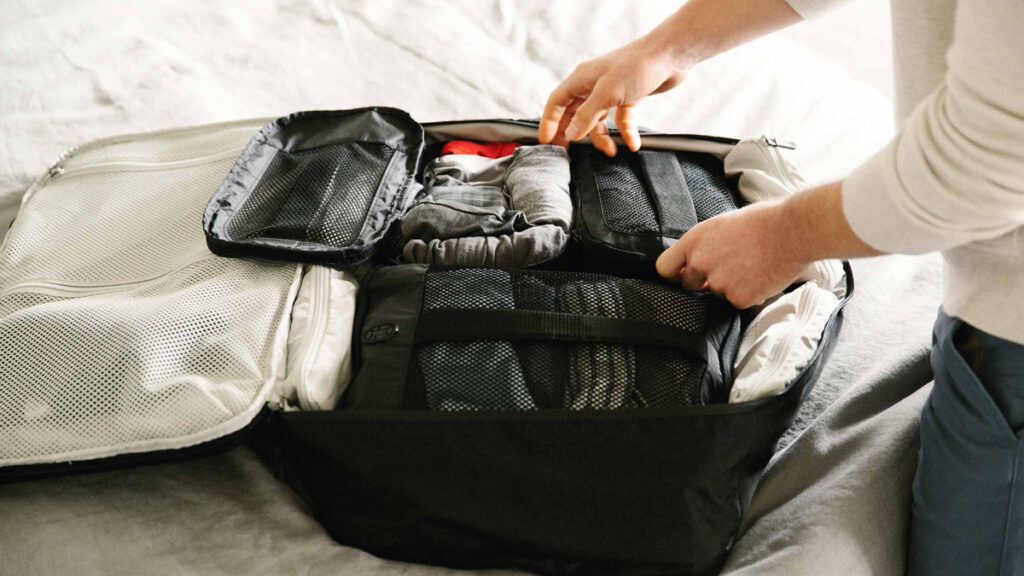
Life on board is full of contrasts. One week you might be sweating under the Persian Gulf sun, the next chipping ice in the North Sea. Smart layering is key.
- Work gear: most companies provide boiler suits and safety shoes, but always double-check. Pack 7–10 pairs of heavy-duty cotton or bamboo socks and moisture-wicking underwear – natural fibers help prevent infections when your feet sweat inside safety boots.
- Base layers: thermal tops and bottoms are indispensable for deck work in cold conditions.
- Casual clothes (“civvies”): keep it simple. Three to four t-shirts, a couple of jeans or cargo pants, and one high-quality warm hoodie are usually enough.
- Cabin uniform: comfortable shorts and cotton tees are perfect for downtime. Ships are industrial environments; comfort is king.
- Shore leave & gym: bring one “nice” outfit for going out in port. If the ship has a gym, pack lightweight, fast-drying athletic gear and gym shoes.
- Footwear: closed-toe rubber clogs (e.g., Crocs) – ideal for the shower, cabin, and messroom. The closed-toe design also protects your toes – many companies now ban open-toe flip-flops in common areas because they offer no protection and can slip on metal staircases.
- Walking shoes: comfortable sneakers for exploring port cities.
3. Toiletries and personal care
The ship’s store usually sells basics, but they might not have your preferred brand.
- Plan for the full contract: calculate how much shampoo, shower gel, and toothpaste you actually use, and pack enough for the entire trip. While Starlink makes ordering online easier, drone deliveries to ships are still rare!
- Shaving gear: bring extra blades and shaving cream. Keep in mind that razors with replaceable blades are not allowed in carry-on luggage. Electric shavers are a good alternative – just remember voltage compatibility and plug adapters.
- Skin protection: a high-SPF sunscreen is essential, as sunlight reflects off both water and steel. Add a heavy-duty hand moisturizer to deal with cracked skin from work and frequent washing.
- Laundry essentials: a mesh laundry bag helps keep socks and small items together in communal washing machines.
- Sanitation: pack a small supply of FFP2 masks and a pocket-sized hand sanitizer. Some ports and airports still operate health-controlled zones where these items may be required.
4. Your Medical Kit
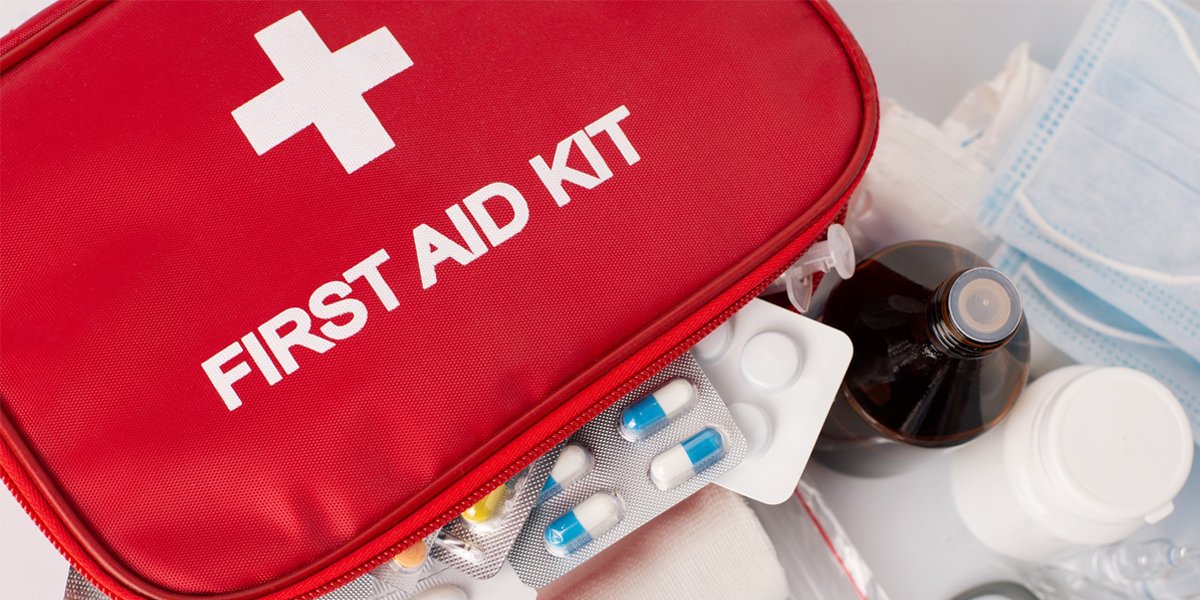
Even if you have diagnosed medical conditions that do not affect your eligibility for a Medical Certificate, they should still be clearly documented in your medical records. If you know your body well and expect minor health issues, it’s best to plan ahead and come prepared.
- Personal medications: if you have a prescription, bring enough for the entire contract plus a one-month buffer. Always carry a doctor’s note.
- Seasickness remedies: even experienced seafarers are not immune to mal de mer. Wristbands or tablets can make a real difference.
- Pain relief: Ibuprofen and Paracetamol for headaches or muscle aches.
- Digestive help: ship food can be heavy or culturally different from what you’re used to. Antacids and probiotics help keep your system balanced.
- Allergy medication can also come in handy, even if you’ve never experienced allergies before. It’s always better to have it and not need it than to need it and not have it.
- Antiseptic cream & plasters: for those inevitable minor nicks and scrapes.
- Vitamins: long periods at sea can lead to deficiencies. A quality multivitamin helps support immunity and overall health.
Declare the medication if required by the company or local customs authorities.
When preparing for life at sea, it’s just as important to know what not to bring aboard. Carrying large quantities of medication (even common over-the-counter remedies) can raise questions during inspections. The same applies to pills without proper labels or medicines stored in unmarked containers, which may be treated as suspicious items.
Any illegal substances, as well as products not approved in the port country, are strictly prohibited and can lead to serious consequences. Particular caution should also be taken with dietary supplements: some bodybuilding or herbal products contain ingredients that are banned in certain jurisdictions and may cause unnecessary complications.
5. Electronics and connectivity
High-speed satellite internet like Starlink and OneWeb is increasingly common on ships, but connectivity at sea still comes with quirks. There are a few practical tips that are sure to come in handy.
- Power adapters: ships typically use European or US sockets at 110V or 220V. A universal power strip with USB-C ports lets you charge multiple devices at once – an absolute lifesaver.
- Connectivity: install an eSIM app (like Airalo) before departure. You can activate local data packages as soon as you cross the 12-mile limit, avoiding expensive roaming charges.
- Noise-cancelling headphones: essential for sleeping near the engine room or tuning out the constant hum of the ship. Sensitive sleepers may also consider compact “sleep-buds.”
- High-capacity power bank: video calls home drain batteries fast. A 20,000mAh bank will keep your devices alive during long stretches or temporary power outages.
- Hard drive / tablet: load up on movies, series, and e-books before sailing. Even with Starlink, internet at sea can be patchy or pricey.
- Offline maps: download Google Maps or similar for port cities – handy for navigating without a data connection.

Final packing tips
- Soft luggage only. Avoid hard-shell suitcases – they rarely fit in a compact cabin. Soft bags that can be folded flat make life on board much easier.
- Weight limits: aim for 15–18 kg. You’ll likely pick up souvenirs or gear during the contract, and keeping your luggage light prevents excess baggage fees on the way home.
- Label everything: mark your laundry bag and clothing tags with a permanent marker. Laundry mix-ups are the top cause of lost clothes on board.
Packing smart removes unnecessary stress and lets you focus on the horizon ahead. Take the time to organize your essentials, and you’ll find life on board smoother and more enjoyable. Stay prepared, stay comfortable, and make the most of every moment at sea. Fair winds and following seas!