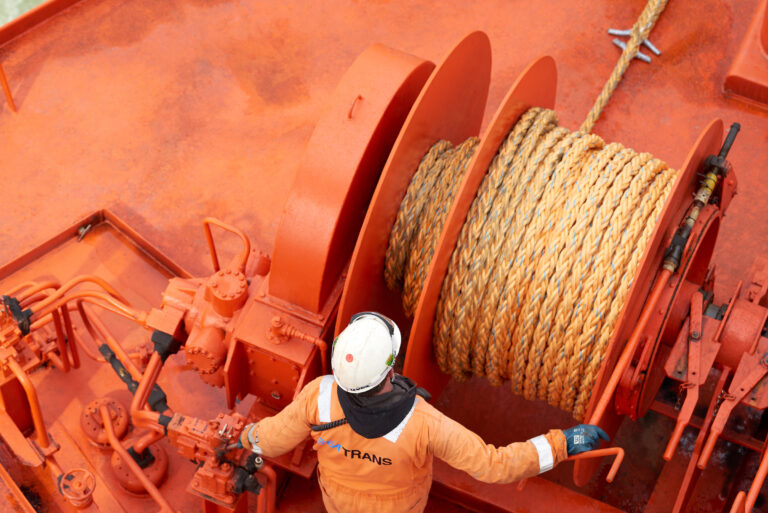
Routine maintenance, cargo handling and mooring operations remain the most common situations in which seafarers are injured, according to Gard’s latest Crew Claims Report. The insurer says the findings challenge the assumption that experience alone protects crew members from accidents.
The report is based on approximately 3,000 P&I crew claims filed in 2025, including an in-depth analysis of around 400 injury cases. Gard handled more than 6,500 P&I claims during the year, with almost half involving people. Crew-related claims accounted for more than 90% of all people-related cases.
Illness remained the leading cause of crew claims, representing nearly 60% of all cases, while injuries accounted for 37% and fatalities for 3%.
Gard recorded more than 850 crew injury claims in 2025, a figure broadly unchanged from the previous year. Slips, trips and falls remained the most frequent cause of injury, accounting for 29% of all reported cases. Injuries caused by being struck by an object, wire or line made up 16%, while strains from lifting, carrying, pushing or pulling accounted for another 15%.
The report found that injuries occurred slightly more often on the main deck than in the engine room, with the two locations accounting for 39% and 33% of cases, respectively. Scheduled maintenance, mooring operations and cargo handling were the activities most commonly associated with injuries.
Newly joined crew members faced the highest risk. More than half of the injuries analysed occurred within the first three months of a seafarer’s contract, and 60% of those happened during the first month onboard.
Time of day also appeared to be a contributing factor. Where local time was available, the highest number of injuries occurred between 08:00 and 10:00, while nearly half of all recorded incidents took place before noon.
According to Gard, experienced seafarers were frequently injured while carrying out familiar routine tasks, indicating that factors such as fatigue, stress, workload and the demanding nature of shipboard operations may play a greater role than lack of experience.
Fatalities declined compared with 2024, although they remained above pre-pandemic averages. Illness accounted for 76% of all crew deaths in 2025, with cardiovascular disease remaining the leading cause. Suicides represented 13% of fatalities, while fatal injuries accounted for the remaining 11%.
Gard said the findings highlight the need for a more human-centred approach to maritime safety, focusing not only on procedures but also on the operational pressures and human limitations that affect seafarers during everyday work onboard.