The chief engineer of the containership Dali has admitted that he failed to report a known safety hazard aboard the vessel before its allision with Baltimore’s Francis Scott Key Bridge, marking the first admission of criminal wrongdoing by an individual directly involved in the casualty.
Karthikeyan Deenadayalan, an Indian national who served as the vessel’s chief engineer, entered into a deferred prosecution agreement with US authorities. Under the arrangement, he admitted conduct constituting a violation of the Ports and Waterways Safety Act by failing to notify the US Coast Guard about an unsafe fuel system configuration aboard the ship.
According to court documents, Deenadayalan knew that the Dali and two sister ships were operating with a fuel supply arrangement that relied on a flushing pump lacking redundancy. Prosecutors argue that the setup could compromise the vessels’ ability to recover from a power loss and posed a risk not only to the ships themselves but also to bridges, port infrastructure and shore facilities.
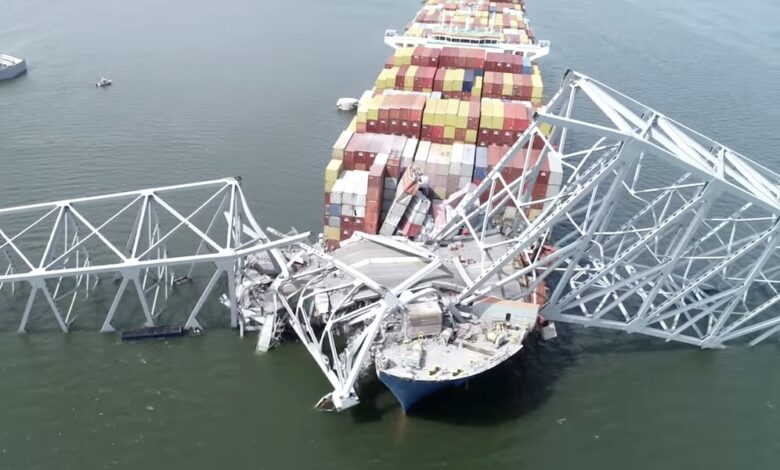
Investigators believe the fuel system arrangement contributed to the blackout sequence that occurred shortly after the Dali departed Baltimore on March 26, 2024. The vessel suffered two power failures within minutes, lost propulsion and steering, and struck a support pier of the Francis Scott Key Bridge, causing the structure to collapse. Six construction workers were killed in the accident.
The agreement also highlights communications between Deenadayalan and Synergy technical superintendent Radhakrishnan Karthik Nair, who was indicted last month along with two ship management companies. Prosecutors allege that Nair instructed the chief engineer to send a “convincing” email to the vessel’s charterer regarding fuel consumption in order to avoid scrutiny that could have revealed the use of the flushing pump.
Under the deferred prosecution agreement, criminal proceedings against Deenadayalan will be suspended provided he complies with its terms, including a 36-month probation period.
The case forms part of a wider federal investigation into the causes of the Dali casualty. Criminal charges remain pending against Synergy Marine Pte Ltd, Synergy Maritime Pvt Ltd and Nair. The companies deny wrongdoing and say they intend to contest the allegations.
Investigators from the National Transportation Safety Board previously concluded that an improperly secured electrical wire triggered the initial blackout. Prosecutors, however, argue that modifications to the vessel’s fuel supply system undermined critical redundancies and contributed to the second blackout that left the ship unable to avoid the bridge.
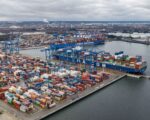
The collapse of the Francis Scott Key Bridge shut down access to the Port of Baltimore for weeks and caused billions of dollars in economic losses, making it one of the most significant maritime casualties in recent US history.