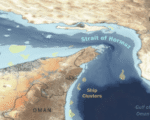
Iran has announced plans to introduce transit fees for commercial vessels passing through the Strait of Hormuz once a 60-day toll-free period expires, creating fresh uncertainty for shipowners, charterers and energy traders.
The proposal was outlined by Iran’s chief negotiator and parliamentary speaker, Mohammad Bagher Ghalibaf, who said Tehran intends to charge ships for services provided in the strategic waterway after the temporary fee-free regime ends.
The toll-free period forms part of the recently agreed memorandum of understanding between the United States and Iran, which reopened the Strait of Hormuz and established a 60-day framework for negotiations on a broader settlement. Under the agreement, Iran committed to ensuring the safe passage of commercial vessels without charge during that period, while also undertaking demining operations and removing navigational hazards.
However, Ghalibaf indicated that the strait would not simply return to its pre-conflict operating model.
“The Strait of Hormuz will not return to pre-war conditions,” he said, adding that Iran would exercise what it considers its sovereign rights and receive payment for services provided in the waterway.
Tehran has not yet disclosed how the proposed fee system would work, how much vessels could be charged, or whether specific ship types would be targeted.
The announcement has already sparked opposition from regional states. Saudi Foreign Minister Faisal bin Farhan Al Saud argued that shipping traffic moved freely through the strait before the conflict and questioned the need for a new charging regime.
The issue has also become a point of disagreement with Washington. While the memorandum guarantees toll-free passage for the initial 60-day period, the question of future fees remains unresolved.
Adding further uncertainty, US President Donald Trump stated that there should be no tolls after the 60-day period expires unless they are imposed by the United States itself if a final agreement is not reached.
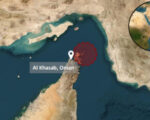
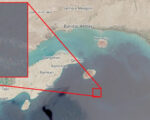
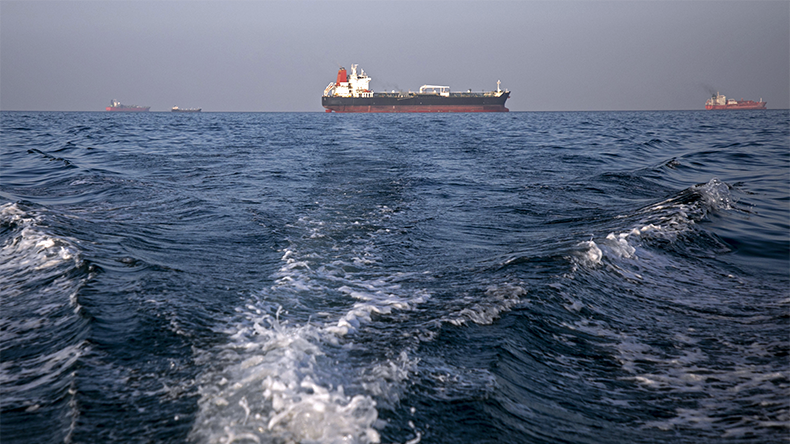
Despite the political dispute, vessel traffic has begun to recover following the reopening of the strait. Satellite imagery and vessel tracking data show a gradual return of tanker movements, although shipping activity remains well below pre-conflict levels. Several tankers have resumed transits, while many vessels continue to wait at anchor as operators seek greater clarity on future navigation arrangements and security conditions.
The possibility of transit fees is being closely watched by the maritime sector because nearly a fifth of global oil trade and a significant share of LNG exports pass through the Strait of Hormuz. Any additional costs could affect voyage economics, freight rates and energy markets worldwide.
Industry observers note that even if navigation continues uninterrupted, mine-clearing operations, insurance costs, congestion and geopolitical risks are likely to influence shipping patterns in the region for months to come.