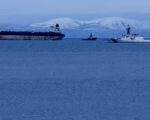
The first Iranian crude oil tankers have begun sailing beyond the U.S. blockade line in the Gulf of Oman, marking the clearest sign yet that maritime traffic through the Strait of Hormuz may soon resume after months of disruption.
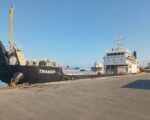
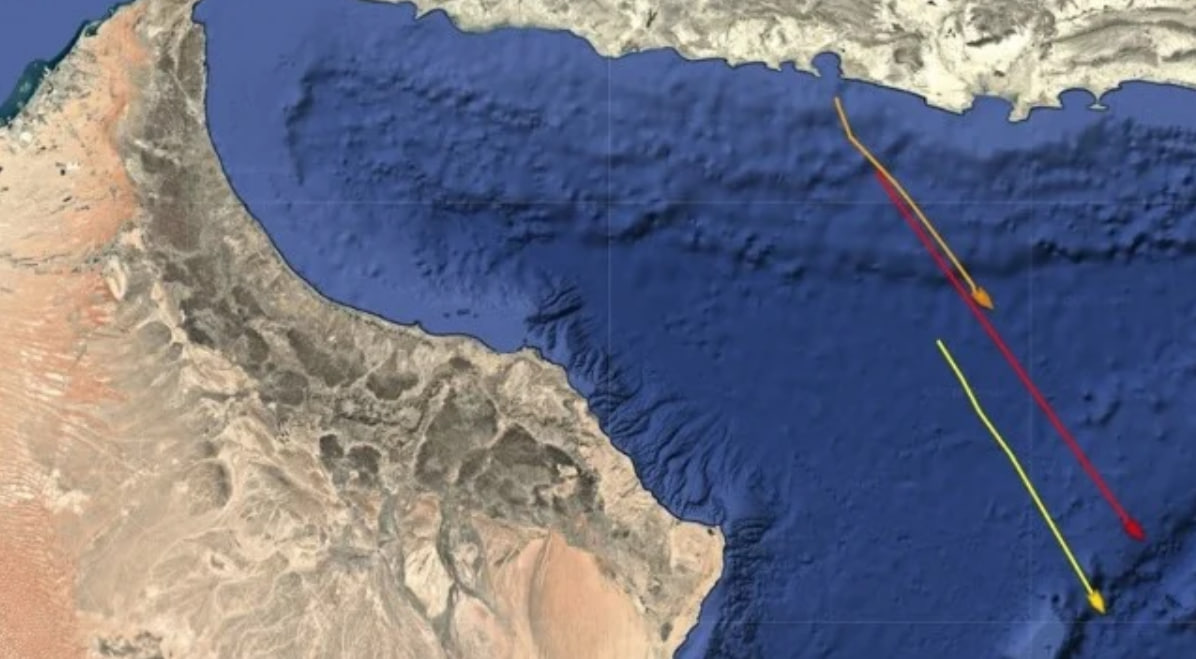
According to tanker-tracking firms, the Iranian-owned VLCCs Diona and Hero2, followed by the Suezmax tanker Sonia I, exited the Gulf of Oman on June 16 after activating their AIS transponders. Analysts described the voyages as Iran’s first crude oil exports in approximately two months.
The movements come as a U.S.-Iran ceasefire agreement is expected to take effect later this week. While U.S. Central Command (CENTCOM) has stated that blockade measures remain in force until June 19, several market observers view the tankers’ departure as evidence that navigational restrictions are already beginning to ease.
Data from shipping intelligence company Kpler indicated that at least four Iran-linked tankers were heading out of the Gulf of Oman. Meanwhile, shipowners are repositioning vessels toward the Middle East in anticipation of a potential reopening of the Strait of Hormuz. Goldman Sachs estimates that more than 800 million barrels of tanker carrying capacity are currently within five days’ sailing distance of the region.
However, industry groups continue to urge caution. CENTCOM’s Joint Maritime Information Center (JMIC) still describes the security risk in the area as “substantial,” while reports indicate that mine-clearance operations and the restoration of traffic management systems may be required before commercial navigation can fully normalize.
Insurance also remains a major obstacle. War-risk premiums for Hormuz transits remain elevated, and many shipowners are waiting for clearer guidance from insurers and naval authorities before committing vessels to the route. According to reports, the U.S. administration is encouraging insurers to restore commercially viable cover and is considering a system under which merchant ships could receive U.S. Navy escort protection.