The captain and first officer of the seized oil tanker Marinera – formerly Bella 1 – were removed from United Kingdom jurisdiction by the U.S. Coast Guard before a Scottish court could consider an injunction aimed at preventing their extradition, amid an ongoing legal and diplomatic dispute over alleged sanctions violations.
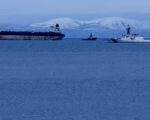
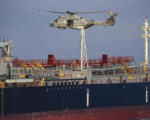
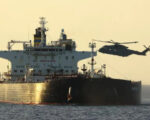
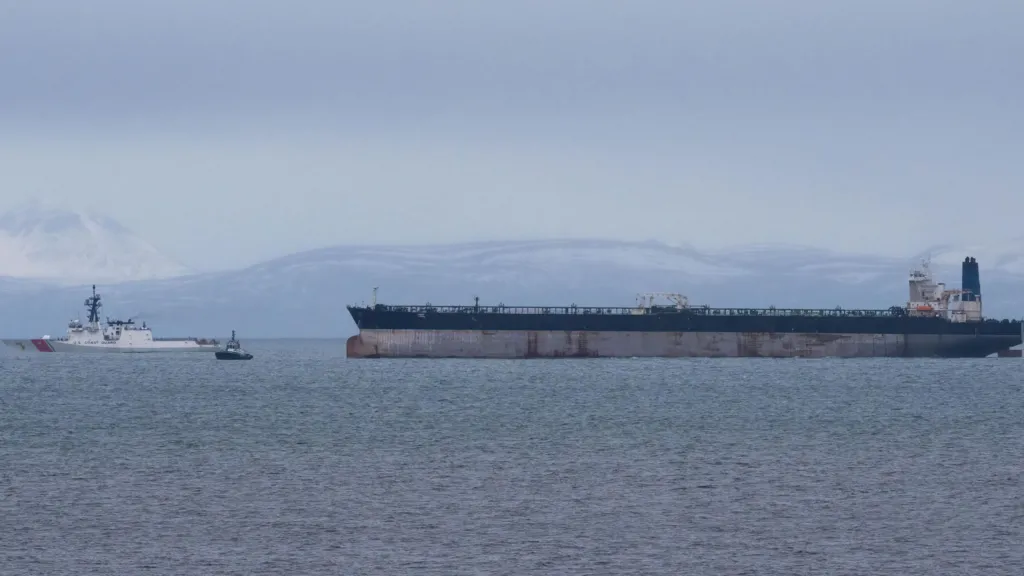
The Marinera, a Russian-flagged crude/oil tanker linked to Venezuelan oil exports, was pursued for weeks by U.S. authorities across the North Atlantic and seized off Iceland on 7 January 2026 on suspicion of violating U.S. sanctions regimes by transporting Venezuelan crude. After capture, the vessel was taken into Scottish territorial waters and anchored in Moray Firth near Burghead, Scotland, where it has remained under detention.
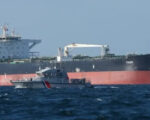
Early on the morning of 27 January 2026, U.S. officials notified Scottish prosecutors that the captain and the tanker’s first officer had been placed aboard the USCG cutter Munro and departed UK waters, effectively placing them under U.S. control even as court proceedings were underway to halt their extradition. The Scottish court had earlier issued a temporary interdict – a form of injunction – to prevent any removal of the crew from its jurisdiction, but that order was later withdrawn after authorities confirmed the two officers were already outside British territorial seas.
Lawyers representing the captain’s wife have described the operation as tantamount to an “abduction” by U.S. authorities, arguing the removal violated Scottish legal procedures and deprived the men of jurisdictional protections. They had sought judicial review and emergency orders in the Court of Session in Edinburgh to restrain removal of the crew and tanker.
After the Marinera arrived in Scotland, most of the remaining 26 crew members were disembarked and processed by UK authorities at a military facility in Inverness, with survivors reportedly housed in a hotel in Elgin. According to officials, five crew members have opted to travel to the U.S. – likely to face charges connected to sanctions violations – while others prepare to return to home countries including Russia, Georgia, Ukraine and India. Russian government officials have publicly complained that the U.S. failed to uphold its assurances regarding the release of Russian nationals aboard the vessel.
This case forms part of broader Western efforts to dismantle the so-called “shadow fleet” – a network of tankers operating under opaque ownership and flagging arrangements to evade sanctions related to Venezuelan and Russian oil exports. Over recent weeks, U.S., UK and French authorities have intercepted multiple sanctioned tankers, highlighting growing legal and enforcement pressure on vessels believed to bypass sanctions through reflagging and other tactics