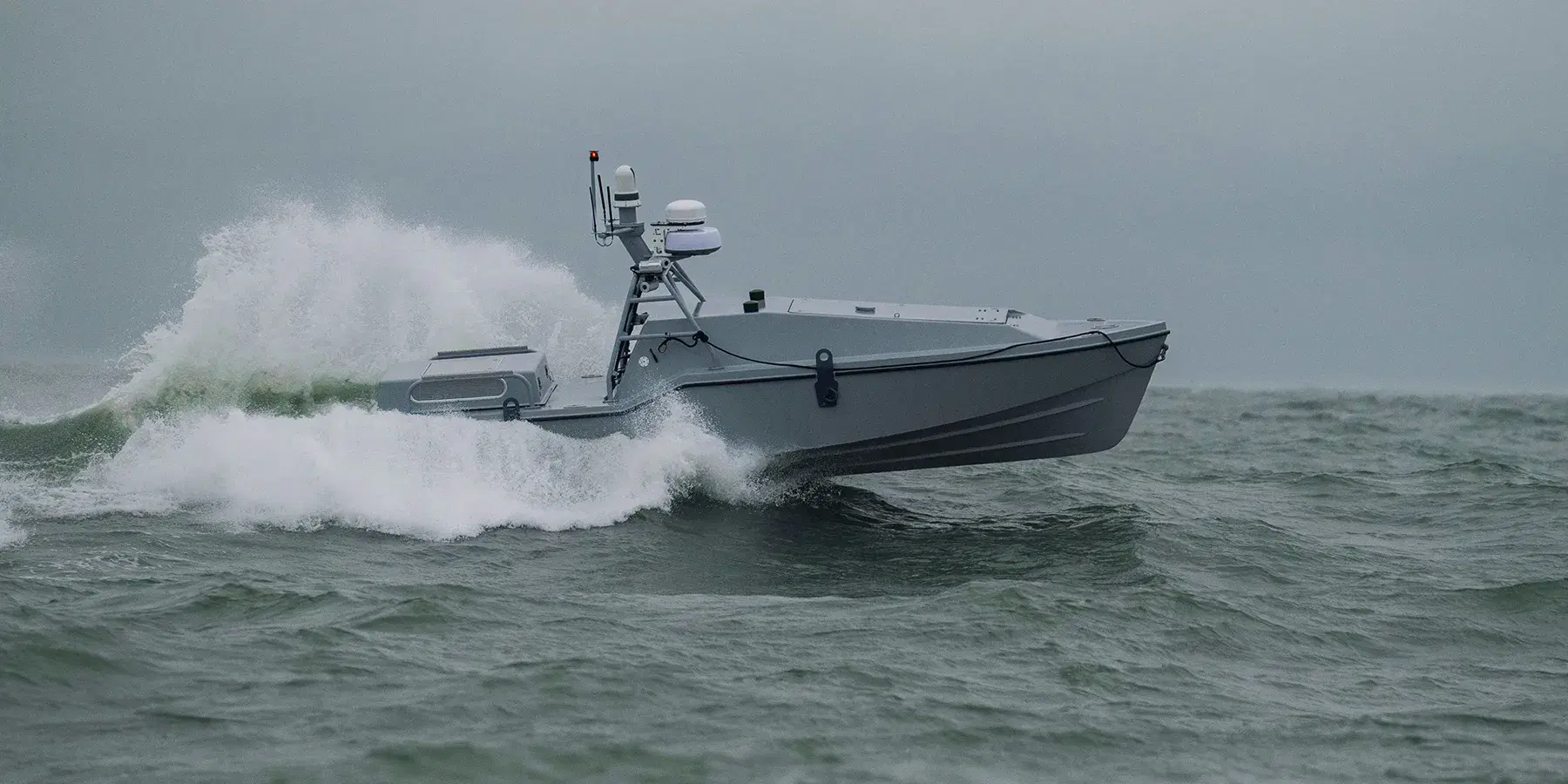
A U.S. Navy unmanned surface vessel (USV) has been used in what is believed to be the first known maritime rescue conducted by a drone boat, helping save two pilots after an Apache helicopter went down near the Strait of Hormuz.
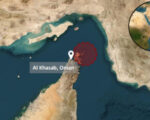
The helicopter crashed in waters off the coast of Oman during a patrol mission in the early hours of June 9, triggering a rapid search-and-rescue (SAR) response involving the Navy’s Task Force 59, which specializes in unmanned systems operations in the Middle East.
According to U.S. Central Command, both crew members were located and safely recovered within approximately two hours. The unmanned surface vessel played a central role in the operation, reaching the survivors in the water before they were transferred and later hoisted by helicopter to a secure location. The pilots were reported to be in stable condition.
While the U.S. military has not officially confirmed the specific platform used, reports identify the system as a 24-foot Saronic Corsair USV, capable of speeds above 35 knots and operated as part of Task Force 59’s experimental unmanned fleet.
The cause of the Apache crash remains under investigation. U.S. officials have stated that the aircraft was shot down by Iranian forces, while Tehran has denied intentionally targeting the helicopter. The incident occurred in a highly contested maritime corridor near the Strait of Hormuz, where military tensions have remained elevated amid ongoing regional confrontation and intensified naval activity.
Beyond the immediate operational context, the rescue is being viewed as a significant development in maritime SAR capabilities. Unmanned surface vessels have previously been deployed for surveillance, reconnaissance and force protection missions, but their use in personnel recovery at sea marks a new phase in operational application.
Task Force 59, the U.S. Navy’s dedicated unmanned systems unit in the region, has been experimenting with distributed autonomous platforms designed to operate in high-risk environments with reduced human exposure. The successful rescue demonstrates the potential for USVs to be pre-positioned in contested waters and rapidly deployed to incident sites without placing additional crews at risk.
Military analysts note that the use of unmanned systems in SAR operations could become increasingly relevant in areas where traditional rescue assets face elevated threats or extended response times. The Strait of Hormuz and surrounding waters have seen repeated security incidents involving both state and non-state actors, complicating conventional rescue planning.
The incident is now being assessed not only as an operational SAR success, but also as a milestone in the integration of autonomous systems into real-world maritime emergency response.