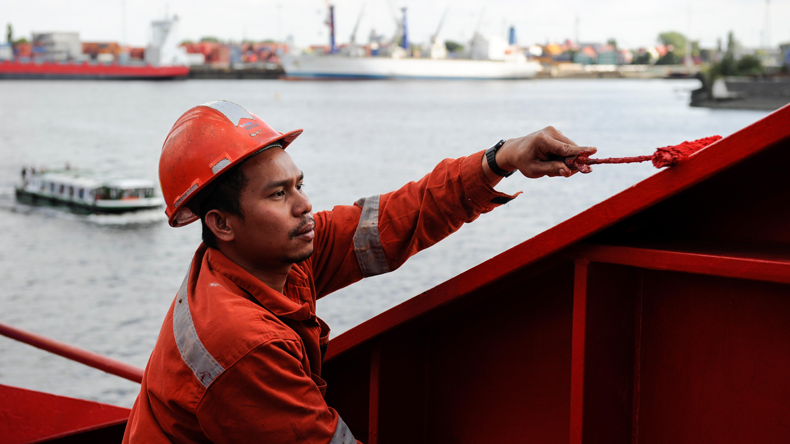
Filipino seafarers and the country’s manning sector generated an estimated ₱1.06 trillion (≈ US$18.4 billion) in economic activity last year, according to a new study by the University of Asia and the Pacific’s Center for Research and Communication and the ALMA Maritime Group.
Researchers said the maritime workforce accounted for around 4% of national GDP and supported nearly 400,000 jobs across the Philippines. The report estimated ₱150.1 billion (≈ US$2.6 billion) in household income and ₱331.7 billion (≈ US$5.8 billion) in remittances sent home by seafarers in 2024.
The study noted that each peso remitted by a Filipino seafarer produces almost ₱3 in wider economic output due to sector multipliers. Spending linked to foreign shipowners – including training, medical checks, hotel accommodation and government fees – was identified as another major source of domestic economic activity.
The industry also sustains a large network of onshore roles, ranging from crewing and logistics to insurance, training centres and maritime service companies. Researchers warned, however, that this ecosystem depends heavily on global confidence in Filipino crew. Any loss of trust, they said, would trigger immediate consequences.
Beyond economics, the study highlighted the maritime sector’s social impact. Income from sea-based jobs supports households on land, funding education, housing and long-term stability. The report also underscored the need for stronger programmes to help retiring seafarers transition into training, regulatory and management roles, ensuring that years of expertise return to the local maritime industry.
The CRC–ALMA study concluded that supporting Filipino seafarers means protecting a crucial share of the national economy and securing the livelihoods of hundreds of thousands of families.